Cables and Connectors Guide for Yurt Camping Power
Discover how to choose reliable cables and connectors for yurt camping power setups, ensuring safe and efficient electricity in off-grid glamping environments.
Table of Contents
- Why Cables and Connectors Matter in Yurt Camping
- Key Types of Cables and Connectors for Off-Grid Power
- Safety and Durability Considerations for Outdoor Use
- How to Choose the Right Cables and Connectors
- Frequently Asked Questions
- Comparison of Power Connection Methods
- Practical Tips for Yurt Power Management
- Final Thoughts
Quick Summary: Cables and connectors are the backbone of any yurt camping power system. This guide explains the essential types, safety considerations, and selection criteria to help you build a reliable, weather-resistant electrical setup for your glamping adventures.
Market Snapshot
- The global cables and connector market was valued at 161.51 billion US dollars in 2024 (Maximize Market Research, 2024)[1].
- Connector industry sales decreased 2.7% year-over-year in 2023 compared to 2022 (Bishop & Associates via ConnectorSupplier, 2024)[2].
- The global cable connector market is projected to reach 204.01 billion US dollars by 2035 (Market Research Future, 2025)[3].
When you set up a yurt for camping or glamping, power is often the first challenge. Whether you need to charge phones, run a small fridge, or power lights, the cables and connectors you choose determine how safe and reliable your system will be. This guide covers everything you need to know about selecting and using cables and connectors in a yurt environment.
Why Cables and Connectors Matter in Yurt Camping
Yurts are unique structures. They are portable, often located in remote areas, and exposed to weather. The cables and connectors you use must withstand moisture, temperature changes, and physical wear. A poor connection can lead to power loss, equipment damage, or even fire. Anand Chakravarthy, Lead Analyst at Maximize Market Research, notes that “demand for cables and connectors is being fundamentally reshaped by rapid adoption of 5G, cloud computing, and industrial automation, which together are driving the need for higher bandwidth and more reliable interconnect solutions across every major sector”[1]. While this quote focuses on industry trends, the principle of reliability applies directly to yurt camping. You need connectors that maintain a solid connection even when the ground is damp or the wind is blowing.
Key Types of Cables and Connectors for Off-Grid Power
Power Cables
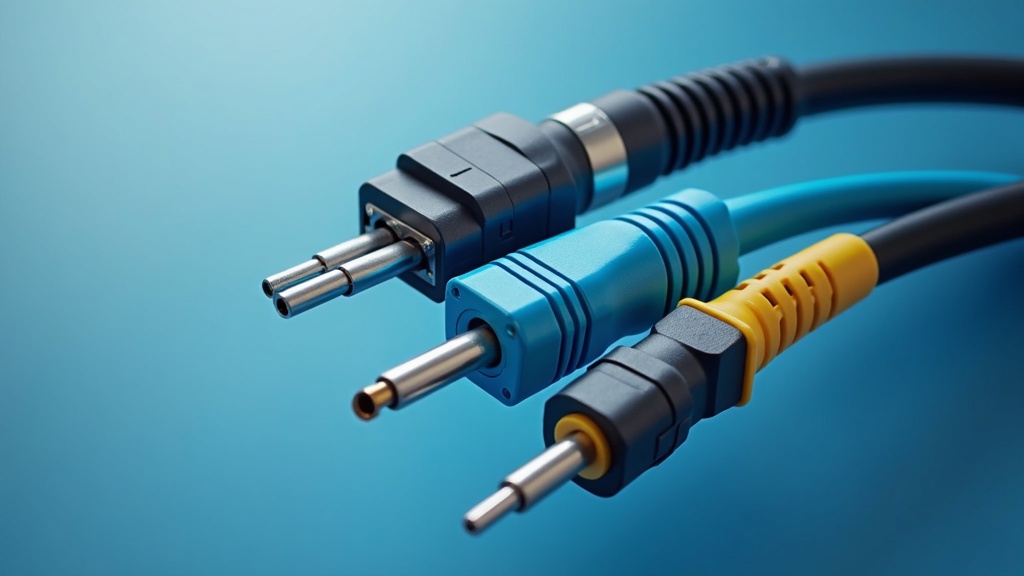
For yurt camping, the most common power cables are extension cords rated for outdoor use. Look for cables with a thick gauge, such as 12 or 14 AWG, to minimize voltage drop over long distances. The cables and connectors should be marked as “W” for weather-resistant or “OW” for outdoor use. Solar panel cables, often using MC4 connectors, are another essential type if you use solar power.
USB and Device Cables
USB cables are critical for charging phones, tablets, and other devices. For yurt camping, choose cables with reinforced strain relief and braided jackets. The cables and connectors for USB-C are becoming the standard due to their higher power delivery and faster charging. You can find a wide selection of USB cables for laptops and devices that are durable enough for travel.
Battery and Inverter Connectors
If you use a deep-cycle battery and an inverter, you need heavy-duty connectors like Anderson Powerpole or ring terminals. These cables and connectors handle high current and are designed for repeated connection and disconnection. They are also polarized, which prevents reverse polarity damage.
Safety and Durability Considerations for Outdoor Use
Safety is paramount when dealing with electricity in a yurt. The cables and connectors must be rated for the environment. Moisture is the biggest enemy. Use connectors with IP65 or higher ratings to keep out water and dust. For outdoor connections, always use covers or boxes to protect plugs from rain. Another critical factor is UV resistance. Standard PVC cables can degrade in sunlight, so look for cables with UV-stabilized jackets. Robert Goldberg, Founder and President of Bishop & Associates, stated that “connector industry sales decreased 2.7% in 2023 compared to 2022, reflecting the impact of slowing demand in key end markets while still remaining well above pre-pandemic levels”[2]. This industry data underscores the importance of quality connectors, as manufacturers focus on higher-performance products even in slower markets.
How to Choose the Right Cables and Connectors
Choosing the right cables and connectors for your yurt depends on your power needs. Start by calculating the total wattage of the devices you plan to run. Then determine the cable length from your power source to the yurt. Longer distances require thicker cables to prevent voltage drop. For example, a 50-foot run at 120 volts might need 10 AWG wire for a 15-amp load. Connectors should match the cable gauge and be easy to disconnect for storage. If you are building a permanent or semi-permanent setup, consider using weatherproof junction boxes and twist-lock connectors. These cables and connectors provide a secure, professional-grade solution that can stay in place for the entire camping season. For more tips on setting up your yurt’s electrical system, check out this guide on yurt power setups.
What People Are Asking
What type of extension cord should I use for my yurt?
Use an outdoor-rated extension cord with a minimum of 12 AWG thickness. For runs longer than 100 feet, go with 10 AWG. Make sure the cord is marked for outdoor use and has a grounded three-prong plug. Avoid using indoor cords, as they are not designed for moisture or UV exposure.
Can I use standard household connectors in a yurt?
You can use standard household connectors, but they are not ideal. Standard plugs and sockets are not weatherproof. For a yurt, consider using twist-lock or marine-grade connectors that resist moisture and vibration. If you must use standard connectors, keep them inside the yurt or in a dry, covered area.
How do I protect cables and connectors from rain?
Use weatherproof connector covers or boxes rated for outdoor use. Place connections off the ground using a brick or a small platform. Seal any exposed connections with dielectric grease to prevent corrosion. For permanent setups, consider using a power inlet box mounted on the yurt wall.
What is the best way to manage cables inside a yurt?
Use cable clips or adhesive hooks to route cables along the lattice walls. Avoid running cables under rugs or mats where they can be stepped on. Use a power strip with a built-in surge protector for multiple devices. Label each cable at both ends so you can easily disconnect and pack up when you leave.
Comparison of Power Connection Methods
When setting up power in a yurt, you have several options for connecting your devices. Each method has trade-offs in terms of cost, durability, and ease of use. The table below compares the most common approaches.
| Method | Best For | Durability | Cost |
|---|---|---|---|
| Standard Extension Cord | Short-term, dry weather | Low | Low |
| Marine-Grade Twist-Lock | Wet or coastal environments | High | Medium |
| Solar Panel with MC4 Connectors | Off-grid, renewable setups | High | Medium-High |
| Hardwired Junction Box | Permanent or semi-permanent | Very High | High |
Practical Tips for Yurt Power Management
- Always carry spare cables and connectors. A broken cable can ruin a trip. Keep a spare extension cord, a few USB cables, and a roll of electrical tape in your gear.
- Use a portable power station with built-in inverter and USB ports. This simplifies your setup by reducing the number of separate cables and connectors needed. Many models are compact and designed for camping.
- Inspect your cables and connectors before each trip. Look for cracks, frayed wires, or bent pins. Replace any damaged components immediately. A small investment in new cables and connectors can prevent a major safety hazard.
- Label your power cables with colored tape or tags. This makes it easy to identify which cable goes where, especially when setting up in low light or packing up quickly.
- Consider a cable management bag or organizer. Keeping your cables and connectors neat prevents tangles and makes setup faster. It also protects them from dirt and damage during transport.
Final Thoughts on Cables and Connectors
Choosing the right cables and connectors for your yurt camping setup is essential for safety, reliability, and convenience. Whether you are running a simple light string or a full off-grid power system, investing in quality components pays off. Remember to match your cables and connectors to your power needs and the outdoor environment. For more detailed information on specific products, visit our hello world page to get started.
Useful Resources
- Maximize Market Research. Cables and Connector Market: Market Dynamics & Forecast.
https://www.maximizemarketresearch.com/market-report/cables-and-connector-market/187023/ - Bishop & Associates via ConnectorSupplier. State of the Industry: 2022–2023 Connector Sales.
https://connectorsupplier.com/state-of-the-industry-2022-2023-connector-sales/ - Market Research Future. Cable Connector Market by Type, Size, Growth and Analysis – 2035.
https://www.marketresearchfuture.com/reports/cable-connector-market-10462