USB C to Android Cable: Essential Guide for Glampers
Choosing the right usb c to android cable is critical for keeping your devices powered during a yurt camping trip. This guide explains connector types, charging speeds, and data transfer capabilities so you stay connected while glamping.
Table of Contents
- What Is a USB C to Android Cable?
- Charging Speeds and Power Delivery
- Data Transfer and Connector Versions
- Durability and Length for Camping
- Frequently Asked Questions
- Comparison: USB-C vs. Older Standards
- Practical Tips for Choosing Your Cable
USB C to Android Cable in Context
- USB-C connectors can be plugged in either orientation, eliminating the orientation issues common with older Micro-USB connectors on Android phones (University of Illinois Founders Program, 2026)[1].
- Basic passive USB-C cables can transmit up to 60 watts of power for charging compatible devices (Wired, 2026)[2].
- Over 80% of new electronic devices are projected to support USB-C by 2026, driving demand for USB-C to Android cables (EndThePlastic, 2026)[3].
- USB4 Version 2.0 over USB-C doubles the data transfer speed to 80 Gbps (University of Illinois Founders Program, 2026)[1].
A usb c to android cable has become the standard link between your phone and the outside world. Whether you are charging a smartphone after a day of hiking or transferring photos from a glamping weekend, the right cable makes the difference. As the University of Illinois Founders Program staff notes, “USB-C is the current standard for many Android phones, offering a reversible design and faster data transfer and charging capabilities” (2026)[1]. This article breaks down what you need to know about connector types, power delivery, data speeds, and durability, with a focus on real-world use during yurt camping and glamping trips.
What Is a USB C to Android Cable?
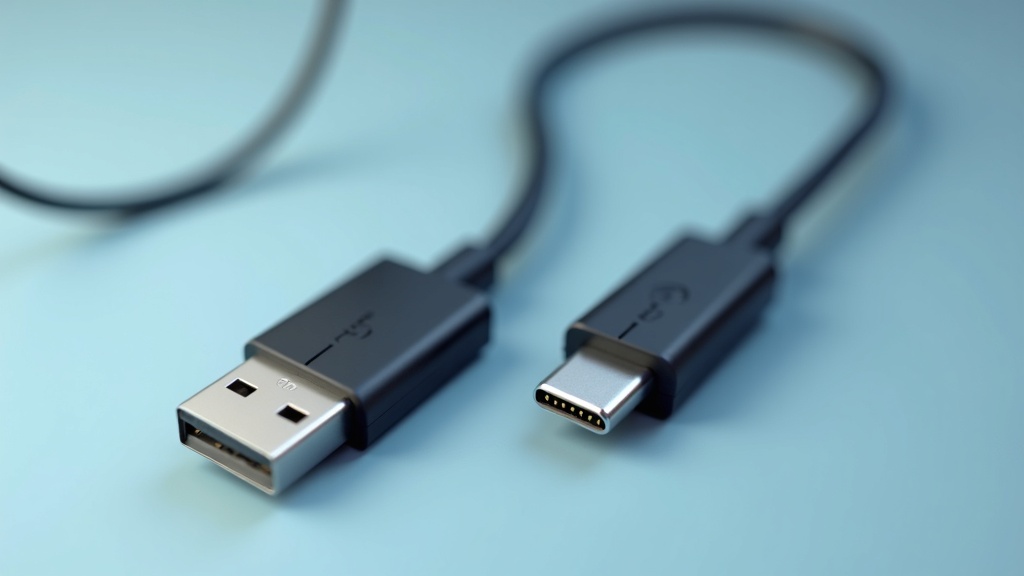
A usb c to android cable connects Android smartphones and tablets to power sources or computers using the USB-C connector standard. Unlike older Micro-USB cables, USB-C is reversible, meaning you can plug it in either way without fumbling in the dark – a genuine advantage when you are setting up camp by lantern light. The staff at the University of Illinois Founders Program confirms, “If your phone was manufactured in the last few years, it most likely uses USB-C” (2026)[1]. This ubiquity means that a single cable can serve your phone, tablet, portable speaker, and even some laptops, reducing the clutter in your gear bag.
The cable itself contains multiple wires for power and data, and the connector houses a small chip that negotiates charging protocols with your device. For glampers, this means you can use one quality cable to charge your phone from a portable power station and later sync your photos to a laptop inside the yurt. The simplicity of the USB-C standard is one reason it has become the dominant port on modern Android devices, with the University of Illinois Founders Program reporting that it is the “most prevalent port type” for phones manufactured in recent years (2026)[1].
Charging Speeds and Power Delivery
Charging speed is a top concern for anyone relying on portable power during a yurt camping trip. A usb c to android cable supports USB Power Delivery (PD), a fast-charging protocol that communicates between the charger and the phone to deliver the maximum safe wattage. Basic passive cables can handle up to 60 watts, which is enough to fast-charge most modern Android phones (Wired, 2026)[2]. However, the latest standard, USB-C PD 3.1, can deliver up to 240 watts, a substantial increase compared to earlier standards (University of Illinois Founders Program, 2026)[1]. This high power level is more relevant for laptops, but it future-proofs your cable investment.
When you are at a glamping site with limited outlets, every minute of charging counts. A cable that supports fast charging can top up your phone in under an hour, freeing you to explore without worrying about battery life. The EndThePlastic editorial team observes, “In 2026, consumer preferences regarding USB-C charging cables reflect a strong inclination towards durability and versatility” (2026)[3]. That means looking for cables that are both fast and built to withstand the bumps of outdoor life. For a comprehensive selection of reliable options, check out the best usb c to android cable choices for rugged environments.
Data Transfer and Connector Versions
Beyond charging, a usb c to android cable moves data between your phone and other devices. The speed depends on which USB generation the cable supports. A standard USB 2.0 USB-C cable offers 480 Mbps, which is fine for basic file transfers (Wired, 2026)[2]. For photographers and videographers who shoot high-resolution content during camping trips, faster options matter. USB 3.2 Gen 2 cables reach 10 Gbps, over 20 times faster than USB 2.0 (UGREEN via YouTube product technical overview, 2026)[4]. Even more advanced, USB4 built on the Thunderbolt protocol supports up to 40 Gbps, and USB4 Version 2.0 doubles that to 80 Gbps (University of Illinois Founders Program, 2026)[1].
For a glamping scenario where you might offload a day’s worth of 4K video footage to a laptop inside the yurt, a high-speed cable saves significant time. The connector itself is identical regardless of speed rating, so you need to check the cable’s specifications. The best crypto to buy now may be a different topic, but when it comes to cables, investing in a USB 3.2 or USB4-rated cord ensures your data transfers keep pace with your content creation. If you manage your digital assets through a binance crypto exchange account, fast data syncing helps you stay on top of market movements even from a remote campsite.
Durability and Length for Camping
When you are glamping, your usb c to android cable faces different challenges than it would in a home office. Dust, moisture, temperature changes, and being coiled and uncoiled repeatedly all stress the cable. Look for braided nylon exteriors, reinforced connector joints, and cables rated for at least 10,000 bend cycles. The EndThePlastic team notes that consumer preferences lean toward durability, with many buyers choosing cables that can handle rough conditions (2026)[3]. A cable that frays after a few trips is not just annoying – it can be a fire hazard if the internal wires become exposed.
Length is another practical consideration. A 3-foot cable works for charging from a power bank in your pocket, but a 6- or 10-foot cable gives you flexibility when the only outlet is across the yurt. Keep in mind that longer cables can introduce slight voltage drop, but for standard 3A charging currents, a quality 10-foot cable performs well. Pairing your cable with a portable power station rated for outdoor use ensures you have reliable power wherever you set up camp. The Wired Gear Team points out that “basic USB-C cables are passive and can transmit up to 60 watts” (2026)[2], which is sufficient for most phones and tablets used during glamping trips.
Frequently Asked Questions
Can I use any USB-C cable to fast charge my Android phone?
Is a USB-C to Android cable the same as a USB-C to USB-C cable?
How long should my USB-C cable be for yurt camping?
What data transfer speed do I need for transferring photos from a camping trip?
Comparison: USB-C vs. Older Standards
Understanding how a usb c to android cable compares to older connector types helps you appreciate its advantages. The table below highlights key differences between USB-C, Micro-USB, and Lightning connectors, showing why USB-C has become the universal choice for Android devices.
| Feature | USB-C | Micro-USB | Lightning |
|---|---|---|---|
| Reversible plug | Yes | No | Yes |
| Max power delivery | 240W (PD 3.1) | ~15W | ~20W (USB-PD) |
| Max data speed | 80 Gbps (USB4 v2) | 480 Mbps | 480 Mbps (USB 2.0) |
| Device adoption | Android, laptops, tablets | Older Android phones | Apple devices only |
| Durability rating | 10,000+ cycles | ~5,000 cycles | ~10,000 cycles |
Practical Tips for Choosing Your Cable
Selecting the right usb c to android cable for glamping involves more than just grabbing the cheapest option. Start by matching the cable’s power rating to your phone’s fast-charging standard. Most modern Android phones support USB PD, so a cable rated for at least 60W covers you now and for future devices. Next, prioritize build quality. Braided cables with reinforced stress points at the connectors last longer when tossed into a backpack or coiled tightly for storage.
Consider buying a cable with a built-in cable tie or velcro strap to keep it organized in your gear. If you frequently charge multiple devices, a cable that supports both power and data means you can carry one cord instead of two. Finally, test your cable before a trip. Charge your phone from your portable power station to confirm compatibility. For a deeper look at how cable trends are evolving, check out the USB-C charging cable trends for 2026 from EndThePlastic. These simple steps ensure you stay powered and connected during your yurt camping adventures.
For more about D c in washington dc, see learn more about d c in washington dc.
Final Thoughts on USB C to Android Cable
A reliable usb c to android cable is a small investment that pays off every time you charge your phone or transfer photos during a glamping trip. By understanding charging speeds, data transfer capabilities, and durability factors, you can choose a cable that works as hard as you do. Whether you are topping up your phone after a hike or syncing trip photos to share with friends, the right cable keeps your digital life running smoothly. To explore more options for staying connected outdoors, visit our yurt camping and glamping resources for gear recommendations and trip planning tips.
Further Reading
- Android Phone USB Cable: Your Essential Guide to Connectivity. University of Illinois Founders Program.
https://blog.founders.illinois.edu/android-phone-usb-cable/ - The Best USB-C Cables for Your Phone, Tablet, or Laptop. Wired.
https://www.wired.com/gallery/best-usb-c-cables/ - Top USB C Charging Cable Trends for 2026: What Buyers Need to Know. EndThePlastic.
https://www.endtheplastic.com/blog/usb-c-charging-cable-trends-2026-buyers-need-to-know/ - UGREEN USB C Cable 10Gbps USB 3.2 Gen 2. UGREEN (via YouTube product technical overview).
https://www.youtube.com/watch?v=UQBt-AkbUeU