
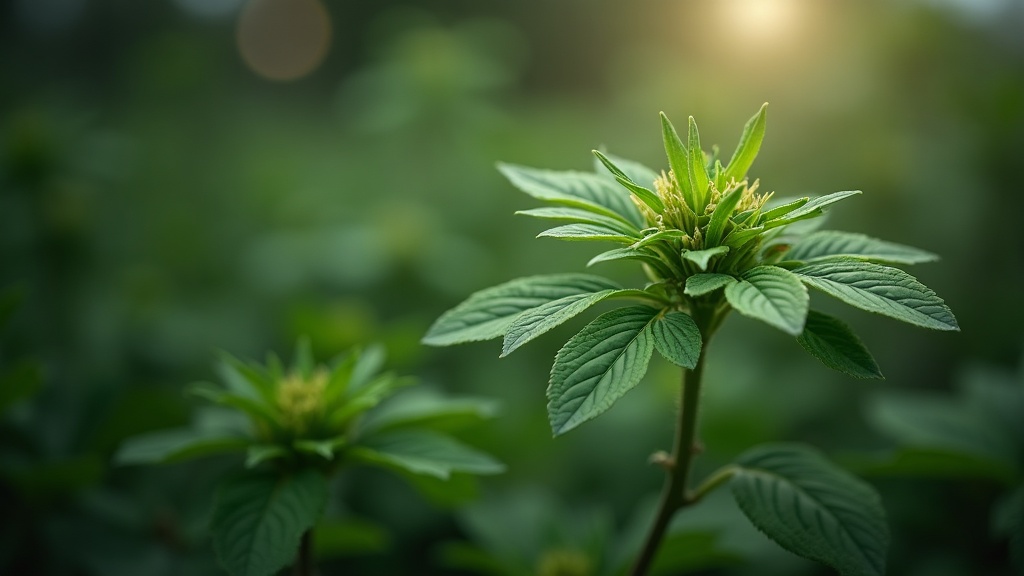
Use this creeping hemlock guide to manage and eradicate toxic invasive weeds with proven mechanical and chemical control strategies for healthier landscapes.
Table of Contents
- Article Snapshot
- Market Snapshot
- Introduction
- Identifying the Threat
- Mechanical Eradication Methods
- Chemical Control Strategies
- Long-Term Prevention
- Your Most Common Questions
- Comparing Treatment Approaches
- Practical Tips
- Final Thoughts
Article Snapshot

This creeping hemlock guide is a comprehensive framework for identifying, managing, and eradicating toxic Conium maculatum infestations. This resource outlines the mechanical and chemical interventions required to protect local plant communities and restore ecological balance in affected landscapes.
Market Snapshot
- Poison hemlock is reported as invasive in numerous state listing contexts (U.S. Forest Service, 2024)[1].
- Mowing may need to be repeated for 3-5 years to address seed bank reserves (U.S. Forest Service, 2024)[1].
- Recommended tillage intervals for control are approximately every 3 weeks (U.S. Forest Service, 2024)[1].
- King County advises waiting 14 days before cutting treated plants so herbicide can work (King County Department of Natural Resources and Parks, 2025)[2].
Introduction
This creeping hemlock guide provides essential strategies for landowners battling one of the most dangerous noxious weeds in North America. Often confused with harmless wild carrots, this toxic plant poses severe risks to humans, livestock, and native ecosystems. When left unchecked, it rapidly colonizes moist soils, outcompeting desirable vegetation and creating dense, hazardous thickets. Understanding the lifecycle of this invasive weed is the first step toward effective eradication.
In this article, we will explore reliable identification markers, mechanical removal techniques, and targeted chemical applications. You will also learn how to implement long-term prevention tactics to keep your property safe. Whether you are managing a small garden patch or a large agricultural tract, applying the principles from a well-researched creeping hemlock guide ensures you can reclaim your land safely and efficiently.
Identifying the Threat
Accurate identification is the foundational step in any successful weed management program. Before initiating any treatment, landowners must confidently distinguish Conium maculatum from benign native species. This toxic plant typically features finely divided, fern-like leaves and hollow stems marked with distinct purple blotches. When crushed, the foliage emits a disagreeable, musty odor that serves as a reliable field marker. For detailed botanical characteristics, refer to the official USDA plant profile for Conium maculatum.
Because it thrives in moist environments, you will frequently find this invasive weed along riverbanks, ditches, and fence lines. The U.S. Forest Service emphasizes that “Healthy plant communities should be maintained to limit poison hemlock infestations” (U.S. Forest Service, 2024)[1]. Establishing robust native vegetation reduces the open soil space where this noxious weed establishes its taproot. Proper identification also ensures that beneficial insects and non-target plants are protected during subsequent eradication efforts. Recognizing the rosette stage in its first year is particularly crucial, as this is when the plant is most vulnerable to intervention. Relying on detailed creeping hemlock instructions helps prevent accidental exposure during scouting missions.
Mechanical Eradication Methods
Physical removal remains a highly effective approach for managing small or environmentally sensitive infestations. When dealing with isolated patches, manual extraction prevents the spread of seeds and avoids the use of synthetic chemicals. The University of California Statewide IPM Program notes that “Hand removal is recommended for small infestations” (University of California Statewide IPM Program, 2025)[3]. Workers must wear protective gloves and long sleeves, as skin contact with the sap can cause severe irritation.
During extraction, the King County Department of Natural Resources and Parks advises that “For any growth stage, try to remove entire root” (King County Department of Natural Resources and Parks, 2025)[2]. If the taproot snaps, the plant will readily resprout. For larger areas, mechanical tillage can disrupt the root system, provided the equipment reaches a depth of at least 4 inches. To be effective, this tillage should be repeated at intervals of approximately every 3 weeks throughout the growing season. Mowing is another option, though it does not kill the plant outright. Instead, mowing may need to be repeated for 3-5 years to adequately deplete the seed bank reserves. Following a structured creeping hemlock guide ensures that land managers apply these physical methods consistently and safely over multiple seasons.
Chemical Control Strategies
Herbicide applications provide a scalable solution for large-scale infestations where manual labor is impractical. Timing the application correctly is the single most important factor in achieving high mortality rates among target weeds. According to regional experts, “Chemical control is most effective if done before poison hemlock begins to flower, in early to late spring and again in the fall” (King County Department of Natural Resources and Parks, 2025)[2]. Targeting the plant during its rosette stage in either of these two seasons maximizes the translocation of the active ingredient down into the root system.
For agricultural or pasture settings, recommended spring herbicide application rates for some selective herbicides are 1 to 2 pounds of active ingredient per acre. It is vital to follow all label instructions and utilize a comprehensive creeping hemlock guide to avoid damaging desirable forage crops. After spraying, patience is required to allow the chemicals to work fully. Local authorities recommend waiting 14 days before cutting treated plants so the herbicide can translocate effectively. Rushing to mow or clear the dead foliage too soon can result in incomplete root kill and rapid regrowth. By adhering to these precise chemical control strategies, landowners can efficiently clear vast tracts of land while minimizing environmental impact.
Long-Term Prevention and Monitoring
Sustained vigilance and habitat restoration are required to prevent the resurgence of toxic plant populations. Eradicating the visible plants is only half the battle; the soil often harbors a massive reservoir of dormant seeds. To combat this, land managers must “Detect, map, and eradicate new populations of poison hemlock as early as possible” (U.S. Forest Service, 2024)[1]. Regular property walks during the spring and early summer allow for the rapid identification of new seedlings before they mature and set seed.
Once an area is cleared, it is critical to immediately reseed the bare ground with competitive, native grasses and legumes. This practice aligns with the principles outlined in our hello world introduction to sustainable land stewardship. A dense canopy of desirable plants shades the soil, preventing the germination of remaining weed seeds. Additionally, preventing the introduction of contaminated soil, hay, or equipment from infested areas is a crucial biosecurity measure. For more insights on maintaining ecological balance, you can read another post on our site about holistic pasture management. Utilizing a reliable creeping hemlock guide helps property owners establish a multi-year monitoring schedule, ensuring that the landscape remains safe and productive.
Your Most Common Questions
Is poison hemlock dangerous to touch?
Yes, handling this toxic plant without proper protection can lead to severe skin irritation and allergic reactions. The sap contains dangerous alkaloids that can be absorbed through the skin, especially if you have minor cuts or abrasions. Always wear thick gloves, long sleeves, and eye protection when manually removing or mowing these plants to prevent accidental exposure. If the sap contacts your skin, wash the affected area immediately with plenty of soap and cool water. Furthermore, never burn the plant material, as inhaling the smoke can cause severe respiratory distress and systemic toxicity. Consulting a professional is advised for large patches.
How long does the seed bank last in the soil?
The seeds of this invasive weed can remain viable in the soil for several years, creating a persistent seed bank that complicates eradication efforts. Research indicates that seeds can survive for up to five years under optimal conditions, waiting for sufficient moisture and light to germinate. This longevity is why mechanical methods like mowing must be repeated annually to prevent new plants from flowering and dropping more seeds. Depleting this reserve requires a long-term commitment to monitoring and treating new seedlings as they emerge each spring. Consistent application of your chosen control strategy is essential to finally exhaust the soil reserves.
Can livestock safely graze in areas with this weed?
No, livestock should never be allowed to graze in pastures infested with this noxious weed. All parts of the plant, including the leaves, stems, and roots, contain highly toxic piperidine alkaloids that can be fatal to cattle, sheep, horses, and pigs. The toxicity is highest in the early spring when the plant is actively growing, but dried plant material in hay also retains its poisonous properties. If animals ingest it, they can suffer from nervous system depression, respiratory failure, and even death. Always inspect grazing areas thoroughly and remove the weed before introducing animals to the pasture. Fencing off infested zones is a critical safety measure.
What is the best time of year to apply herbicides?
The most effective time to apply herbicides is during the rosette stage, which typically occurs in early to late spring or during the fall months. During these cooler periods, the plant is actively transporting nutrients down into its deep taproot, which pulls the chemical active ingredient directly to the root system. Applying treatments after the plant has bolted or begun to flower is significantly less effective, as the plant’s energy is focused on seed production rather than root storage. Always check local weather forecasts to ensure no rain is expected for at least twenty-four hours after your application. This ensures the chemical has adequate time to be absorbed.
Comparing Treatment Approaches
Selecting the right eradication method depends heavily on the size of the infestation, environmental constraints, and available resources. Each approach offers distinct advantages and limitations that must be weighed carefully before beginning treatment. For instance, while manual extraction is ideal for sensitive habitats near water sources, it becomes physically impossible to sustain across dozens of acres. Conversely, chemical treatments offer rapid results but require strict adherence to environmental regulations and safety protocols. Using a comprehensive creeping hemlock guide helps landowners choose the most appropriate method from this comparison, ensuring that the chosen strategy aligns with both ecological goals and budgetary constraints.
| Approach | Best For | Key Limitation |
|---|---|---|
| Hand Removal | Small, isolated patches | Labor-intensive and requires protective gear |
| Mowing | Large areas to prevent seeding | Must be repeated for 3-5 years |
| Herbicide | Extensive infestations | Requires precise timing and weather conditions |
Practical Tips
Implementing a successful weed management program requires more than just a one-time treatment; it demands ongoing attention and strategic planning. First, always clean your boots, tools, and vehicle tires after visiting an infested site to prevent transporting seeds to clean areas. Second, when disposing of removed plants, do not compost them, as the seeds can survive the composting process and spread when the material is used elsewhere. Instead, bag the plant material in heavy-duty plastic and send it to a designated landfill.
Another critical best practice is to maintain detailed records of your treatment dates, methods used, and observed results. This data allows you to refine your approach over time and identify which strategies yield the highest mortality rates. Additionally, consider collaborating with neighboring property owners, as this invasive weed does not respect property lines. A coordinated community effort significantly improves the chances of regional eradication. Finally, stay informed about emerging biocontrol research and new selective herbicides that may offer safer, more targeted solutions in the future. A structured creeping hemlock guide can help you integrate these practical habits into your routine to protect your landscape.
Final Thoughts on the Creeping Hemlock Guide
Managing toxic invasive weeds requires patience, precision, and a commitment to long-term ecological health. By accurately identifying the threat, applying the correct mechanical or chemical treatments, and restoring native vegetation, you can successfully reclaim your land. We hope this creeping hemlock guide has equipped you with the knowledge needed to tackle infestations safely and effectively. Remember that consistent monitoring is the key to preventing future outbreaks. For more expert advice on sustainable land management, property maintenance, and ecological restoration, continue exploring the resources available on dragonyurts.com.
Useful Resources
- Field Guide for Managing Poison Hemlock in the Southwest. U.S. Forest Service.
https://www.fs.usda.gov/media/17413 - Poison hemlock identification and control. King County Department of Natural Resources and Parks.
https://kingcounty.gov/en/dept/dnrp/nature-recreation/environment-ecology-conservation/noxious-weeds/identification-control/poison-hemlock - Poison Hemlock / Home and Landscape. University of California Statewide IPM Program.
https://ipm.ucanr.edu/home-and-landscape/poison-hemlock/
For more about Article creation guide, see Article Creation Guide.