Silver Cat Jewelry Guide: Top Styles
Read our silver cat jewelry guide to choose quality sterling feline accessories. Learn about 925 metal quality, daily care routines, and expert styling tips.
Table of Contents
- Understanding Metal Purity and Alloys
- Design Silhouettes and Craftsmanship
- Styling and Wearing Feline Accessories
- Maintenance and Tarnish Prevention
- Questions from Our Readers
- Comparing Silver Finishes
- Practical Tips for Buyers
Quick Summary
This silver cat jewelry guide provides a detailed framework for evaluating and maintaining feline-themed sterling accessories. This resource covers metal purity, design silhouettes, and hypoallergenic properties to help buyers make informed choices for their personal collections.
Quick Stats: Pet Ownership and Jewelry Trends
- There are an estimated 46.5 million households with cats in the United States (American Pet Products Association, 2024)[1].
- Sterling silver typically contains 92.5 percent pure silver (often stamped 925) (United States Mint, 2024)[2].
- About 41 percent of surveyed U.S. jewelry buyers prefer animal and nature motifs (The Plumb Club, 2024)[3].
This silver cat jewelry guide provides everything you need to know about selecting the perfect feline-themed accessories. Whether you are shopping for a delicate pendant or a bold ring, understanding the nuances of precious metals ensures your piece lasts a lifetime. Feline motifs have incredible staying power in fashion, connecting personal style with a deep love for animal companions. In this article, we will explore the metallurgical standards of 925 stamps, evaluate different design silhouettes, and discuss essential maintenance routines. By the end, you will know exactly how to choose, style, and care for your sterling pieces.
Understanding Metal Purity and Alloys
The foundation of any high-quality accessory lies in its metallurgical composition and purity standards. When evaluating precious metals, buyers must look for the 925 stamp, which indicates that the piece contains 92.5% pure silver and 7.5% copper or other metals. This specific alloy provides the necessary strength for daily wear while maintaining the brilliant white luster of the metal. The addition of copper is what gives the metal its necessary durability, as pure silver is far too soft to hold intricate shapes or withstand the rigors of daily wear. However, this same copper content is also what makes the metal susceptible to oxidation over time.
For individuals with sensitive skin, finding hypoallergenic options is crucial. According to Dr. Sharon B. Brakey, “For people with contact allergies, sterling silver with a high silver content and minimal nickel is generally well tolerated, especially when it’s stamped 925 and sourced from reputable manufacturers” (University of Rochester Medical Center, 2024)[4]. Ensuring your piece is completely nickel-free prevents adverse skin reactions. When following a silver cat jewelry guide, verifying this hallmark is always the first step. Reputable artisans will clearly mark their sterling cat accessories, giving you confidence in the material’s authenticity and safety.
Design Silhouettes and Craftsmanship
The artistic execution of a feline motif determines both its visual appeal and its structural durability. Jewelry designers must balance intricate details with the physical limitations of the metal. Sarah Rowlands, Jewelry Designer and Founder of PawPawDear, notes that “Cat necklaces work best when the design captures a cat’s personality in a simple silhouette – clean lines, a clear outline of the ears and tail, and a touch of sparkle are often more wearable than overly literal or complex motifs” (PawPawDear, 2025)[5]. A clean silhouette ensures the charm remains recognizable even at a small scale.
Creating these intricate shapes often involves the lost-wax casting method, where a detailed wax model is encased in plaster and melted away, leaving a perfect mold for the molten metal. This technique allows for incredible precision, ensuring that every whisker and curve is captured flawlessly. However, structural integrity is equally important. Nancy L. Ross, a Metallurgist at the Gemological Institute of America, explains that “Because sterling silver is relatively soft compared to gold alloys, cat pendants and rings in silver should be designed without extremely thin tails or delicate ears that can easily bend or catch on clothing” (GIA, 2025)[6]. Excellent craftsmanship involves slightly thickening these vulnerable areas or using oxidized finishes to add depth without compromising strength. Evaluating the thickness of the metal and the security of any set gemstone will help you select silver cat motif pieces that are both beautiful and resilient.
Styling and Wearing Feline Accessories
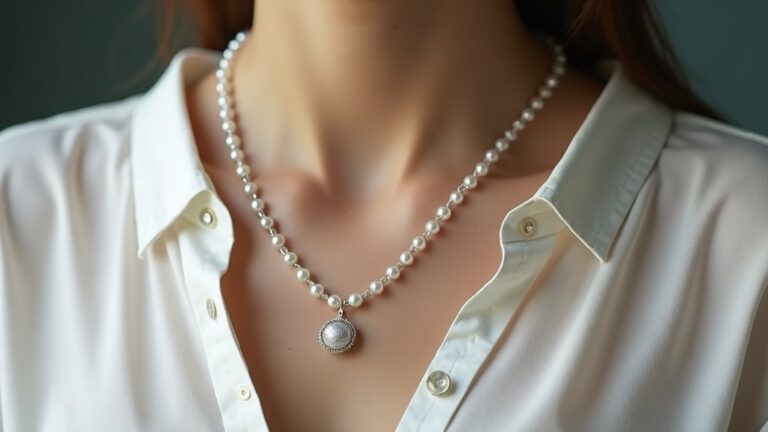
Integrating animal-themed pieces into your daily wardrobe requires a balance of proportion and personal expression. A delicate silver kitty necklace can serve as a subtle nod to your love for felines, especially when layered with longer, complementary chains. When styling a pendant, consider the clasp and chain weight; a heavier chain might overwhelm a dainty charm, while a lightweight rope or cable chain allows the design to take center stage. For a bolder statement, a wide cuff bracelet featuring an engraved feline profile can anchor an entire outfit.
You can also mix and match different textures, pairing a high-polish ring with matte ear studs for a sophisticated, eclectic look. Mixing metals has also become a prominent trend, and there is no rule stating you must stick exclusively to one color palette. Pairing your sterling items with subtle gold accents can create a rich, textured look that feels both modern and deeply personal. If you enjoy coordinating your personal style with your home environment, you might also explore our collection of handcrafted artisan accessories to complete your aesthetic. By thoughtfully selecting the scale and finish of your jewelry, you can celebrate your beloved pet while maintaining a polished appearance.
Maintenance and Tarnish Prevention
Proper storage and regular cleaning routines are essential to preserve the bright luster of your silver pieces. Over time, exposure to air, moisture, and natural skin oils causes tarnish, a dark layer of silver sulfide that dulls the metal’s shine. To prevent this, store your items in a cool, dry place, ideally inside an anti-tarnish cloth pouch or a sealed plastic bag with a silica gel packet. When cleaning is necessary, use a specialized polishing cloth designed specifically for precious metals. Avoid abrasive materials or harsh chemical dips, which can strip away intentional oxidized details or damage any attached stones.
For pieces that feature rhodium plating – a thin layer of a platinum-group metal applied to prevent tarnishing and add a bright, reflective finish – gentle wiping with a soft microfiber cloth is usually sufficient. If you need more in-depth advice on maintaining your collection, reviewing proper silver cleaning techniques can provide valuable historical and practical context. While at-home maintenance is usually sufficient, a professional jeweler can use ultrasonic cleaners to restore heavily soiled items safely. Regular maintenance not only keeps your accessories looking pristine but also allows you to inspect the clasps and prongs for any signs of wear.
Questions from Our Readers
Is sterling silver safe for sensitive skin?
Yes, high-quality sterling silver is generally safe for sensitive skin, provided it is free from common irritants. The primary concern for many wearers is nickel, a metal frequently added to cheaper alloys that can cause contact dermatitis. When purchasing feline-themed accessories, always look for the 925 stamp and verify with the retailer that the piece is completely nickel-free. Reputable manufacturers use copper or zinc instead of nickel to strengthen the pure silver. If you have a known metal allergy, it is also wise to look for pieces that have been coated with a protective layer, which acts as a barrier between your skin and the base metal.
How do I prevent silver kitty necklaces from tarnishing?
Preventing tarnish requires minimizing your jewelry’s exposure to moisture, sulfur, and harsh chemicals. Always remove your necklaces before swimming, showering, or applying lotions and perfumes, as these substances accelerate the oxidation process. When you are not wearing your pieces, store them in an airtight container or a specially treated anti-tarnish bag. Including a small silica gel packet or a piece of anti-tarnish chalk in your jewelry box can help absorb excess ambient moisture. If you notice early signs of dullness, gently buff the surface with a high-quality microfiber polishing cloth. Consistent, gentle cleaning and proper storage are the most effective ways to keep your necklaces bright.
What is the best chain length for a feline pendant?
The ideal chain length depends largely on your personal style, neckline preferences, and the size of the pendant itself. A 16-inch choker length sits snugly at the base of the neck, making it perfect for small, minimalist charms that you want to keep close and subtle. An 18-inch chain is the most versatile standard length, allowing the pendant to rest just below the collarbone, which works beautifully with most casual and professional necklines. For a more relaxed, bohemian look, or if you plan to layer multiple pieces together, a 20-inch or 24-inch chain allows the feline motif to hang lower on the chest.
Can I wear my silver feline jewelry in the shower?
It is highly recommended that you remove all sterling pieces before showering or bathing. While pure water itself will not immediately ruin the metal, the soaps, shampoos, and body washes you use contain chemicals and sulfur compounds that rapidly accelerate tarnishing. Furthermore, the warm, humid environment of a bathroom is detrimental to long-term metal preservation. Repeated exposure to hot water can also weaken the adhesives used to secure gemstones or enamel details within the design. Over time, the constant friction from washing can dull high-polish finishes and wear away protective platings. Taking a few seconds to unclasp your accessories before stepping into the shower significantly extends their lifespan.
Comparing Silver Finishes
Choosing the right finish for your silver cat jewelry selections dramatically impacts both the aesthetic and maintenance requirements of the piece. Different surface treatments offer unique visual effects and varying levels of durability, allowing buyers to match their accessories to their lifestyle. Below is a comparison of the three most common finishes used in feline-themed accessories.
| Finish Type | Visual Effect | Maintenance Level |
|---|---|---|
| High Polish | Bright, mirror-like reflection | Requires frequent polishing to remove scratches |
| Oxidized | Darkened crevices for antique contrast | Low; avoid polishing recessed areas |
| Rhodium Plated | Cool, bright white with high tarnish resistance | Very low; wipe gently with soft cloth |
Practical Tips for Buyers
To get the most out of your collection, adopting a few practical habits can make a significant difference in both longevity and style. Here are some actionable best practices for wearing and caring for your accessories:
- Always put your jewelry on last when getting dressed to avoid snagging delicate chains on clothing fibers.
- Apply perfumes, hairsprays, and lotions at least ten minutes before putting on your accessories to prevent chemical residue buildup.
- Inspect the clasps and jump rings every few months to ensure they are securely closed and not showing signs of metal fatigue.
Staying informed about current trends can also help you style your pieces more effectively. Minimalist, geometric feline outlines are currently highly sought after for their modern, understated elegance. If you are shopping for a friend or family member, consider exploring our list of thoughtful gift ideas for pet lovers to find the perfect present. Ultimately, treating your accessories with care and attention ensures they remain a cherished part of your wardrobe for years to come.
For more about Artistic cat themed jewelry designs, see explore artistic cat themed jewelry designs in depth.
Final Thoughts on Silver Cat Jewelry
Selecting the perfect feline-themed accessory is a rewarding experience that blends personal sentiment with fine craftsmanship. By understanding metal purity, evaluating structural design, and committing to proper maintenance, you can enjoy your pieces for a lifetime. This silver cat jewelry guide has provided the essential knowledge needed to make confident, informed purchasing decisions. Whether you prefer a subtle pendant or a bold statement ring, your accessories will beautifully reflect your love for your animal companion. For more detailed advice on preserving your collection, be sure to explore our comprehensive jewelry care resources and guides.
Sources & Citations
- 2024-2025 APPA National Pet Owners Survey. American Pet Products Association.
https://www.americanpetproducts.org/press_industrytrends.asp - Coin and Medal Programs: Coin Specifications. United States Mint.
https://www.usmint.gov/learn/coin-and-medal-programs/coin-specifications - Consumer Research Report: Jewelry Design Trends 2024. The Plumb Club.
https://plumbclub.com/consumer-research-report-jewelry-design-trends-2024 - Nickel Allergy and Jewelry Metals: What Patients Need to Know. University of Rochester Medical Center.
https://www.urmc.rochester.edu/dermatology/blog/nickel-allergy-and-jewelry-metals - Perfect Adornment: A Guide to Cat Necklaces. PawPawDear.
https://www.pawpawdear.com/en-us/blogs/career/perfect-adornment-a-guide-to-cat-necklaces - Understanding Sterling Silver Alloys in Jewelry Design. Gemological Institute of America.
https://www.gia.edu/uk-EN/gia-news-research-understanding-sterling-silver-alloys