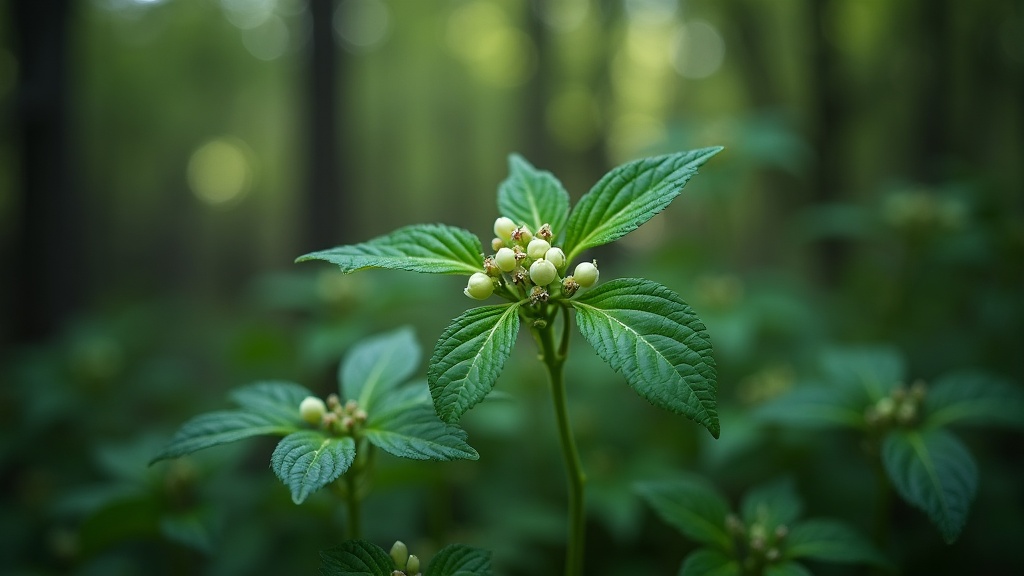
Read our detailed creepinghemlock guide to identify, manage, and eradicate poison hemlock using proven ecological, manual, and chemical control methods today.
Table of Contents
- Understanding the Lifecycle
- Manual Removal and Mechanical Interventions
- Implementing Chemical Weed Control
- Long-Term Ecological Restoration
- Important Questions
- Comparing Eradication Approaches
- Best Practices for Field Application
Key Takeaway
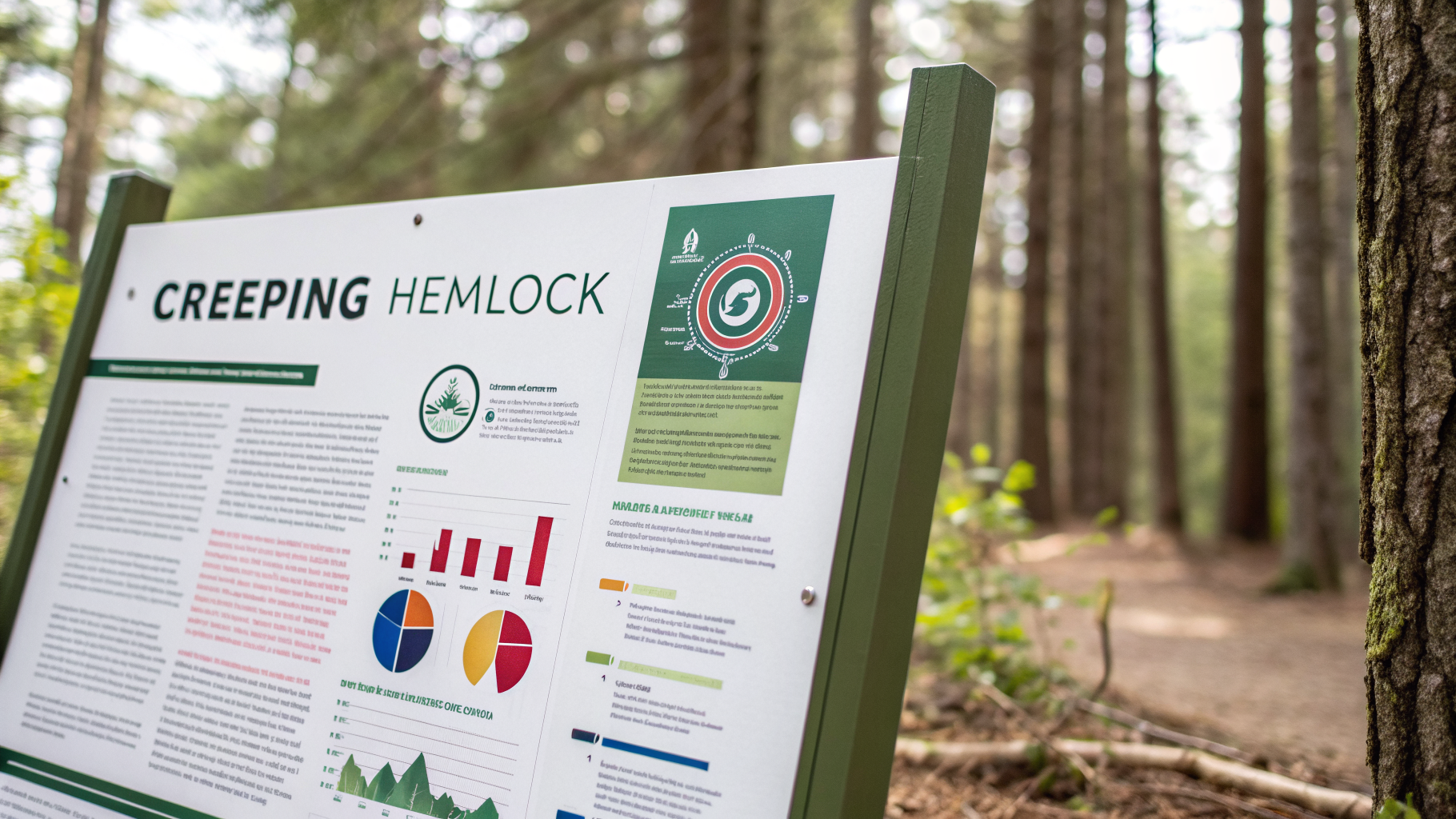
Our creepinghemlock guide provides a comprehensive framework for identifying and managing toxic Conium maculatum infestations. Effective eradication requires combining early detection, manual removal, and targeted herbicide applications to deplete the persistent seed bank and restore healthy plant communities.
Quick Stats from Our creepinghemlock guide
- 3-5 years of repeated mowing to deplete the seed bank (USDA Forest Service, 2024)[1]
- 1-2 pounds of active ingredient per acre for selective herbicides (USDA Forest Service, 2024)[1]
- 4 inches tillage depth for effective mechanical control (USDA Forest Service, 2024)[1]
- 14 days waiting period after herbicide application before cutting (King County Noxious Weed Control Program, 2024)[2]
The strategies outlined in our creepinghemlock guide are essential for land managers tackling invasive Conium maculatum. This highly toxic biennial weed threatens livestock, disrupts local ecosystems, and outcompetes native flora in riparian areas and rangelands. Because it produces thousands of seeds that persist in the soil, a single treatment is rarely enough. Successful weed management demands a multi-year approach combining ecological restoration with precise chemical or manual interventions. In this article, we explore the core principles of noxious weed control, detailing how to identify the plant during its rosette stage, apply selective herbicides, and utilize mechanical methods. Whether you are maintaining high-priority public lands or managing a private pasture, understanding these protocols will help you reclaim your landscape. We will also review regulatory classifications and practical tips to ensure your eradication efforts are both safe and legally compliant.
Understanding the Plant Lifecycle
Accurate identification of poison hemlock is the foundational step in any successful eradication plan. As a highly invasive species, Conium maculatum often colonizes disturbed soils, roadsides, and waterways. Recognizing the plant during its first-year rosette stage is crucial, as it is much easier to manage before it reaches the rapid vertical growth of the bolt stage. According to Carol D. Spurrier, an Ecologist with the USDA Forest Service, “Prevention, early detection, and plant removal are critical for preventing poison hemlock establishment” (USDA Forest Service, 2024)[1].
In many regions, these toxic plants are strictly regulated. For example, it is listed as a Class B noxious weed in King County, Washington, which mandates control on high-priority public lands and rights-of-way (King County Noxious Weed Control Program, 2024)[2]. Land managers must prioritize early detection to prevent the plant from flowering and dropping seeds. Spurrier also notes that maintaining healthy plant communities is essential to limit infestations (USDA Forest Service, 2024)[1]. By fostering robust native vegetation, property owners can naturally suppress the germination of hemlock seeds, a key focus of any comprehensive creepinghemlock guide. For more general insights on land management and property setup, you can read our hello world introduction to sustainable site planning.
Manual Removal and Mechanical Interventions
Physical extraction and mechanical disruption remain vital tools for managing smaller infestations without relying solely on chemicals. When dealing with localized patches, hand-pulling is highly effective. The King County Noxious Weed Control Program advises that “For smaller patches and individual plants, you can pull or dig up plants in any growth stage” (King County Noxious Weed Control Program, 2024)[2]. This manual removal technique ensures the entire taproot is extracted, preventing regrowth.
For larger areas where hand-pulling is impractical, mechanical methods like mowing and tillage offer viable alternatives. However, mowing is not a quick fix; infestations generally require 3-5 years of repeated mowing to deplete the seed bank and significantly reduce populations (USDA Forest Service, 2024)[1]. In cultivated settings, effective tillage-based control calls for passes at approximately 3-week intervals to a depth of at least 4 inches during the rosette to early bolt stage (USDA Forest Service, 2024)[1]. After physical extraction, applying a mulch layer of 4 to 6 inches on bare ground can help prevent new seeds from sprouting (King County Noxious Weed Control Program, 2024)[2]. These mechanical interventions are a core component of any comprehensive creepinghemlock guide.
Implementing Chemical Weed Control
Herbicide applications offer a scalable solution for large-scale infestations, provided they are timed correctly and applied safely. Timing is the most critical factor in chemical weed control. The King County Noxious Weed Control Program states that “Chemical control is most effective if done before poison hemlock begins to flower, in early to late spring and again in the fall” (King County Noxious Weed Control Program, 2024)[2]. Applying treatments during the active growth phase ensures the plant absorbs the chemicals effectively.
Choosing the right product depends on the surrounding vegetation. Non-selective options like glyphosate work well in non-grassy areas, while broadleaf selective products like triclopyr are better suited for grassy environments (King County Noxious Weed Control Program, 2024)[2]. For newly emerged seedlings, selective herbicides such as 2,4-D, 2,4-DB, or MCPA are recommended at a rate of 1 to 2 pounds of active ingredient per acre (USDA Forest Service, 2024)[1]. In rangeland settings, two broadcast herbicide applications about one month apart in early summer are recommended before fall grass seeding (USDA Forest Service, 2024)[1]. Furthermore, after applying herbicide, at least 14 days should elapse before cutting treated plants to allow the chemical to work effectively (King County Noxious Weed Control Program, 2024)[2]. For detailed regulatory information, consult this comprehensive forest service hemlock management field guide.
Long-Term Ecological Restoration
Eradicating the physical plants is only half the battle; restoring the local ecosystem prevents future invasions. Once the toxic plants are removed, the exposed soil is highly vulnerable to secondary invasions by other noxious weeds. Ecological restoration focuses on re-establishing native grasses and forbs that compete for the same resources. This holistic approach is a central theme in any effective creepinghemlock guide.
Monitoring the site for several years is mandatory. Because the seeds can remain viable in the soil for multiple seasons, land managers must conduct regular site walks during the spring and fall. If new rosettes appear, they must be immediately spot-treated or manually pulled. In aquatic or riparian areas, special care is required; treatments must utilize aquatic-labeled herbicides such as specific glyphosate or imazapyr formulations applied at labeled rates to entire leaf and stem surfaces of actively growing plants (USDA Forest Service, 2024)[1]. By integrating these long-term monitoring habits, property owners ensure lasting success. You can find more insights on sustainable land stewardship in another post on our site dedicated to habitat preservation.
Important Questions About Our creepinghemlock guide
Is poison hemlock dangerous to humans and livestock?
Yes, Conium maculatum is highly toxic to humans, livestock, and wildlife. All parts of the plant contain poisonous alkaloids, with the seeds and roots being particularly concentrated. Ingestion can cause severe neurological symptoms, respiratory failure, and even death. Skin contact with the sap can also cause severe dermatitis, especially when exposed to sunlight. Always wear protective clothing when handling the plant.
How long does the seed bank remain viable in the soil?
The seed bank for this invasive species can remain viable in the soil for up to five years, though most seeds germinate within the first two to three years. This persistent seed bank is why multi-year management plans are necessary. Even if you successfully eliminate all visible plants in the first year, you must continue monitoring and treating the area for several subsequent seasons to prevent re-establishment.
Can I compost pulled poison hemlock plants?
It is generally not recommended to compost poison hemlock unless you are certain your compost pile reaches and maintains high enough temperatures to destroy the seeds and break down the toxic alkaloids. If the plant has already produced seeds, composting is highly risky, as the seeds might survive and spread when the compost is applied. The safest disposal method is to bag the plants in heavy-duty plastic and send them to a designated landfill.
What protective gear is required for manual removal?
When manually removing these toxic plants, you must wear heavy-duty waterproof gloves, long sleeves, long pants, and closed-toe shoes. Eye protection is also recommended to prevent sap from splashing into your eyes. Because the toxins can be absorbed through the skin or cause severe photo-dermatitis, minimizing any exposed skin is critical. After working, wash your clothes separately and shower immediately to remove any residual plant oils.
Comparing Eradication Approaches
Selecting the right eradication method depends on the size of the infestation, the surrounding environment, and available resources. A well-rounded creepinghemlock guide will often recommend combining multiple strategies for optimal results. Below is a comparison of the primary control methods used by land managers.
| Method | Best For | Key Consideration |
|---|---|---|
| Manual Removal | Small patches and sensitive areas | Labor-intensive; requires proper disposal |
| Chemical Control | Large infestations and rangelands | Requires precise timing and selective products |
| Mechanical Mowing | Preventing seed set in open fields | Requires 3-5 years of repeated passes |
Best Practices for Field Application
Executing a successful eradication plan requires attention to detail and strict adherence to safety protocols. Field applicators should always survey the site before treatment to identify non-target species and sensitive habitats. When using chemical treatments, calibrate your sprayers regularly to ensure accurate application rates and minimize drift. It is also wise to treat the periphery of the infestation first, working inward to prevent accidentally spreading seeds to clean areas.
Record-keeping is another vital best practice. Maintain detailed logs of treatment dates, herbicide formulations used, and weather conditions. This data will help you evaluate the effectiveness of your interventions and adjust your strategy in subsequent years. A reliable creepinghemlock guide will often emphasize that consistency is key. Finally, always clean your boots, tools, and vehicle tires before leaving an infested site to avoid transporting seeds to uninfested locations.
Wrapping Up
Managing toxic invasive weeds requires patience, persistence, and a strategic approach. By following the principles outlined in this creepinghemlock guide, land managers can effectively reduce infestations and protect local ecosystems. Combining early detection with targeted manual and chemical controls ensures long-term success. Explore more land management strategies and ecological tips right here on dragonyurts.com to keep your property healthy and thriving.
Learn More
- Field Guide for Managing Poison Hemlock in the Southwest. USDA Forest Service.
https://www.stream-smart.com/wp-content/uploads/2024/06/Hemlock-Guide.pdf - Poison hemlock identification and control. King County Noxious Weed Control Program.
https://kingcounty.gov/en/dept/dnrp/nature-recreation/environment-ecology-conservation/noxious-weeds/identification-control/poison-hemlock
For more about Article creation guide, see Article Creation Guide.