Read our detailed creeping hemlock guide to learn how to identify, safely manage, and remove these highly toxic invasive plants from your property right now.
Table of Contents
- Identifying Toxic Hemlock Species
- Mechanical and Cultural Control Methods
- Chemical Treatment Protocols
- Ecological Restoration and Prevention
- What People Are Asking
- Comparison of Control Methods
- Practical Tips for Your Creeping Hemlock Guide
Article Snapshot
This creeping hemlock guide is a comprehensive resource detailing the identification, management, and eradication of toxic hemlock species. These invasive biennial plants pose severe risks to humans and livestock. Effective control requires early detection, mechanical removal, and targeted chemical treatments to deplete the persistent seed bank and restore healthy native ecosystems.
Quick Stats: Creeping Hemlock Guide
- Water hemlock has been responsible for over 60 human deaths in North America since 1979 (GrowIt BuildIT, 2023)[1].
- Effective reduction of the seed bank requires 3-5 years of repeated mowing (U.S. Forest Service Southwestern Region, 2024)[2].
- Repeated tillage should reach a soil depth of 4 inches to disrupt root systems (U.S. Forest Service Southwestern Region, 2024)[2].
- Landowners must wait at least 14 days after herbicide application before cutting treated plants (King County Noxious Weed Control Program, 2024)[3].
Introduction
This creeping hemlock guide provides a structured approach to navigating the complexities of eradicating toxic weeds like poison hemlock and water hemlock. These dangerous invaders pose a significant threat to agricultural lands, natural habitats, and residential gardens due to their highly poisonous alkaloids and rapid spread. Understanding the biology of these noxious weeds is the first step toward reclaiming your land. This biennial plant often hides in plain sight during its first year, making early detection crucial for successful management. In the following sections, we will explore reliable identification markers, mechanical and chemical control strategies, and long-term ecological restoration techniques. Whether you are dealing with a small isolated patch or a widespread infestation, applying the correct methods at the right time will ensure safety and effectiveness. Let us dive into the proven strategies for eliminating these hazardous plants from your environment.
Identifying Toxic Hemlock Species
Accurate identification is the foundational step in any successful eradication effort. Misidentifying these toxic plants can lead to ineffective treatment or, worse, accidental exposure to dangerous compounds. Poison hemlock (Conium maculatum) and water hemlock (Cicuta maculata) share similar umbrella-shaped flowers and fern-like foliage, but they thrive in slightly different environments and possess distinct physical traits.
Distinguishing Features of Toxic Hemlock
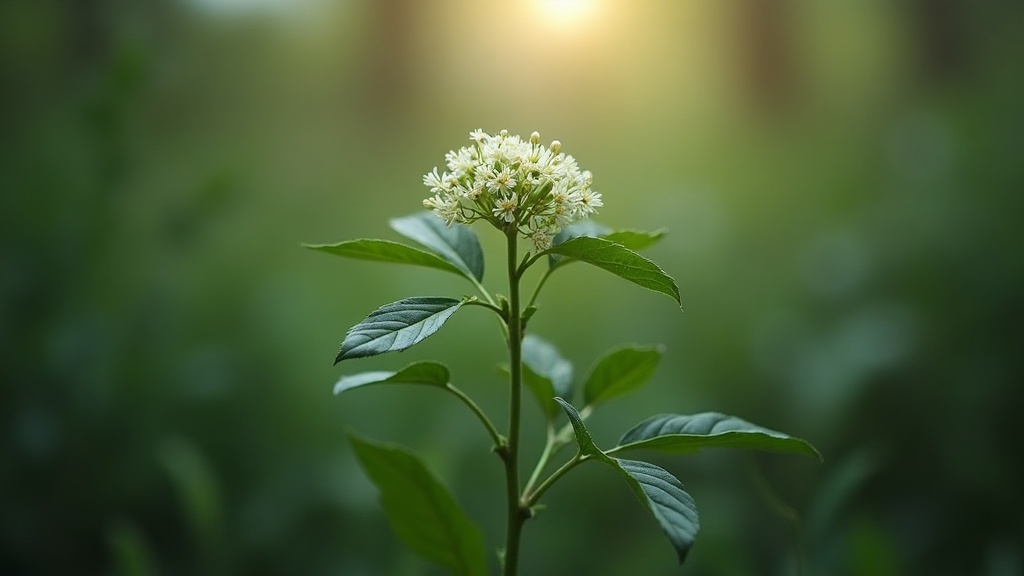
Poison hemlock typically features smooth, hollow stems with distinctive purple blotches. It often grows in disturbed areas, along roadsides, and near fences. In contrast, water hemlock prefers wetlands, stream banks, and marshy areas. Its stems are also hollow but usually contain chambered pith and lack the prominent purple spotting found on poison hemlock. Both species produce clusters of small white flowers, which can easily be confused with harmless wild carrots or elderberries.
Because these species are highly toxic, visual confirmation must be done carefully without touching the plant. The entire plant, including the taproot, foliage, and seeds, contains poisonous alkaloids that can be fatal if ingested by humans or livestock. According to the U.S. Forest Service, “Prevention, early detection, and plant removal are critical for preventing poison hemlock establishment” (U.S. Forest Service Southwestern Region, 2024)[2]. Recognizing the rosette stage during the first growing season allows landowners to target the weed before it bolts and produces thousands of seeds.
Mechanical and Cultural Control Methods
Physical removal and land management practices offer non-chemical alternatives for controlling invasive weed populations. These methods are particularly useful in sensitive environments where herbicide application is restricted or near water sources where chemical runoff must be avoided.
Mowing and Tillage Strategies
Mowing is a common mechanical control tactic, but it requires long-term commitment to be effective. Simply cutting the plants once will not eradicate them, as they can resprout from the taproot or rely on the existing seed bank. The U.S. Forest Service notes that “Consecutive three to five years of mowing will likely be necessary to address seed bank reserves” (U.S. Forest Service Southwestern Region, 2024)[2]. Mowing should be timed just before the plants flower to prevent seed dispersal while depleting the root’s energy stores.
For suitable terrain, repeated tillage provides another mechanical option. Tilling disrupts the deep taproot and buries surface seeds. To achieve optimal results, tillage should penetrate the soil to a depth of 4 inches. This operation must be repeated every 3 weeks during the spring when the plants are in the rosette or early bolt stage. While labor-intensive, consistent tillage severely weakens the root system and prevents the biennial plant from reaching its reproductive phase. Combining these mechanical methods with competitive planting ensures the disturbed soil is quickly colonized by desirable vegetation.
Chemical Treatment Protocols
When mechanical methods are impractical or the infestation is too large, chemical control becomes the most efficient solution. Applying the right selective herbicides at the correct growth stage maximizes plant mortality while minimizing harm to surrounding desirable grasses.
Herbicide Application Timing and Techniques
Timing is the most critical factor in chemical management. The King County Noxious Weed Control Program emphasizes that “Chemical control is most effective if done before poison hemlock begins to flower, in early to late spring and again in the fall” (King County Noxious Weed Control Program, 2024)[3]. Treating the weed during the spring rosette stage allows systemic herbicides to translocate down into the taproot, ensuring complete kill.
Selective herbicides such as 2,4-D, 2,4-DB, or MCPA are highly effective in open areas, typically applied at a rate of 1 to 2 pounds of active ingredient per acre. These chemicals target broadleaf weeds without damaging native grasses. For non-selective control in heavily infested rangelands, glyphosate applications are recommended in June or July, followed by a second application one month later if green shoots persist. After spraying, landowners must wait a minimum of 14 days before cutting the treated plants. This waiting period is essential to allow the chemical to fully circulate through the vascular system and destroy the root. Always consult a detailed noxious weed identification and control resource before selecting specific chemical products.
Ecological Restoration and Prevention
Eradicating the existing plants is only half the battle; preventing reinfestation requires restoring the ecological balance of the site. Bare, disturbed soil is an open invitation for new weed seeds to germinate and take hold.
Maintaining Healthy Plant Communities
A robust, competitive plant community is the best natural defense against invasive species. The U.S. Forest Service advises that “Healthy plant communities should be maintained to limit poison hemlock infestations” (U.S. Forest Service Southwestern Region, 2024)[2]. After removing the toxic weeds, immediately overseed the area with aggressive, native grasses and legumes. These desirable plants will shade the soil, consume available nutrients, and physically block new hemlock seedlings from establishing.
Monitoring the site for several years is crucial. The seed bank can remain viable in the soil for multiple seasons, meaning new seedlings will inevitably emerge. Small, isolated infestations on otherwise healthy sites should be given high priority for treatment to prevent them from expanding. By integrating regular site inspections with proper grazing management and soil health practices, landowners can create an environment where toxic weeds struggle to survive. This proactive approach transforms a reactive eradication effort into a sustainable, long-term land management strategy.
What People Are Asking
How toxic is water hemlock compared to poison hemlock?
Both species are extremely dangerous, but water hemlock is widely considered the most toxic plant in North America. While poison hemlock contains alkaloids that cause respiratory failure, water hemlock contains cicutoxin, a violent central nervous system stimulant. Ingestion of even a small amount of water hemlock root can cause rapid seizures and death. Extreme caution and professional protective equipment are mandatory when handling either species.
When is the best time to apply herbicides for hemlock control?
The optimal window for chemical treatment is during the spring when the plants are in the rosette stage, before they bolt and flower. A secondary treatment window occurs in the fall when new seedlings germinate. Applying systemic herbicides during these active growth phases ensures the chemicals are pulled down into the deep taproot, providing a complete kill rather than just burning off the top foliage.
Can mowing alone eradicate a hemlock infestation?
Mowing alone is rarely sufficient for complete eradication, though it is a valuable component of an integrated management plan. Because these weeds are biennial and possess deep taproots, they can easily resprout after being cut. To significantly deplete the seed bank and exhaust the root systems, mowing must be repeated consistently for three to five consecutive years, making it a labor-intensive long-term commitment.
What safety precautions should I take when removing hemlock?
Always wear heavy-duty gloves, long sleeves, pants, and eye protection when handling these plants. The sap can cause severe skin irritation, and accidental ingestion is fatal. Never burn the plants, as inhaling the smoke can introduce toxic alkaloids into your respiratory system. Place the plant material in heavy plastic bags and dispose of it in the landfill according to local noxious weed regulations.
Comparison of Control Methods
Selecting the right management strategy depends on the size of the infestation, the terrain, and environmental constraints. Each approach offers distinct advantages and limitations that landowners must weigh carefully.
| Method | Best Use Case | Pros | Cons |
|---|---|---|---|
| Mechanical (Mowing/Tillage) | Sensitive areas near water | No chemical runoff; safe for organic farms | Labor-intensive; requires 3-5 years of repetition |
| Chemical (Herbicides) | Large, widespread infestations | Highly effective; targets deep taproots | Requires careful timing; potential environmental impact |
| Cultural (Restoration) | Post-eradication prevention | Long-term ecological balance; prevents reinfestation | Does not kill existing mature plants |
Integrating multiple methods, such as using chemical treatments for initial knockdown followed by cultural restoration, provides the most reliable results for long-term creeping hemlock guide success.
Practical Tips for Your Creeping Hemlock Guide
Implementing a successful eradication plan requires attention to detail and consistent monitoring. Always prioritize personal safety by wearing appropriate protective gear before entering infested areas. When scouting your property, pay close attention to fence lines, ditch banks, and shaded woodland edges where these invasive weeds frequently establish.
For landowners managing larger estates or agricultural operations, keeping detailed records of treatment dates and locations is essential. You can track your progress and map out future treatments by reviewing our land management logging documentation. Additionally, coordinating with neighboring properties prevents cross-boundary seed dispersal, which is a common cause of reinfestation.
Consider the seasonal lifecycle of the plant. Spring and fall are your primary action windows. If you miss the spring rosette stage, focus on preventing seed set through mechanical cutting before resorting to late-summer chemical applications. For more insights on seasonal property maintenance, check out our year-round land care strategies. Finally, always clean your boots, vehicle tires, and mowing equipment after working in infested zones to avoid transporting viable seeds to clean areas of your property.
Wrapping Up
Managing toxic, invasive weeds requires vigilance, proper identification, and a commitment to long-term ecological restoration. By following the strategies outlined in this creeping hemlock guide, you can protect your livestock, family, and native ecosystems from these dangerous plants. Remember that consistency is key; whether you choose mechanical, chemical, or cultural methods, repeated efforts over several years will yield the best results. Stay proactive, monitor your land regularly, and explore more land management resources to keep your property safe and thriving.
Useful Resources
- Water hemlock (Cicuta maculata). GrowIt BuildIT.
https://growitbuildit.com/water-hemlock-cicuta-maculata/ - Field Guide for Managing Poison Hemlock in the Southwest. U.S. Forest Service Southwestern Region.
https://www.fs.usda.gov/media/17413 - Poison hemlock identification and control. King County Noxious Weed Control Program.
https://kingcounty.gov/en/dept/dnrp/nature-recreation/environment-ecology-conservation/noxious-weeds/identification-control/poison-hemlock
For more about Creepinghemlock guide, see Creepinghemlock Guide.