Discover our comprehensive freshwater pearl necklace guide to learn about sizing, luster, lengths, and grading tips for your next fine jewelry purchase.
Table of Contents
- Article Snapshot
- Quick Stats: Freshwater Pearl Necklace Guide
- Introduction
- Evaluating Quality in Your Freshwater Pearl Necklace
- Lengths Covered in This Freshwater Pearl Necklace Guide
- Navigating Pearl Grading Systems
- Comparing Freshwater to Other Cultured Pearls
- What People Are Asking
- Comparing Pearl Styles
- Practical Tips for Care and Styling
- Key Takeaways
- Further Reading
Article Snapshot
This freshwater pearl necklace guide is a comprehensive resource detailing the selection, evaluation, and care of cultured pearl jewelry. This overview covers essential quality factors like luster and nacre, standard strand lengths, and grading nuances to help buyers make informed decisions when purchasing these elegant gemstone accessories.
Quick Stats: Freshwater Pearl Necklace Guide
- The most popular size range for classic strands is 7.5–8.0 millimeters (Pearl Paradise, 2025)[1].
- Standard everyday necklace lengths are typically 16 and 18 inches (Pearl Paradise, 2025)[1].
- Experts evaluate pearls using 7 distinct value factors, including size, shape, and luster (Pearl Paradise, 2025)[1].
Introduction
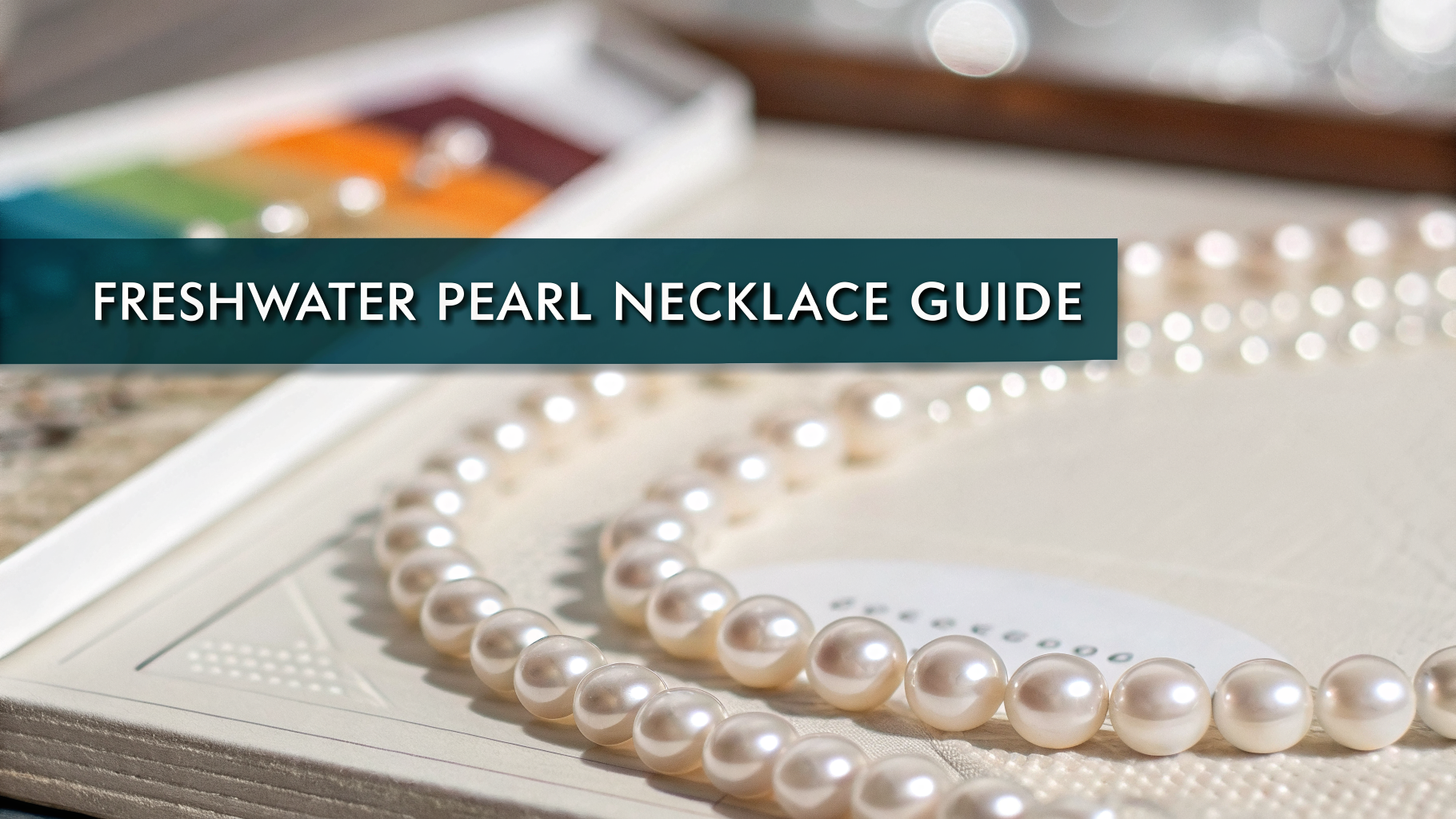
This freshwater pearl necklace guide explores the fascinating world of cultured gems, offering essential insights for both novice buyers and seasoned collectors. When navigating the vast jewelry market, understanding the unique characteristics of these organic treasures is crucial. This guide breaks down the critical elements that determine beauty, durability, and overall value. Whether you are shopping for a timeless gift or adding to your personal collection, knowing what to look for ensures a satisfying purchase. For more general lifestyle and fashion insights, you can also browse our general lifestyle and fashion articles. Below, we dive into the specifics of quality evaluation, sizing, and styling to help you find the perfect piece.
Evaluating Quality in Your Freshwater Pearl Necklace
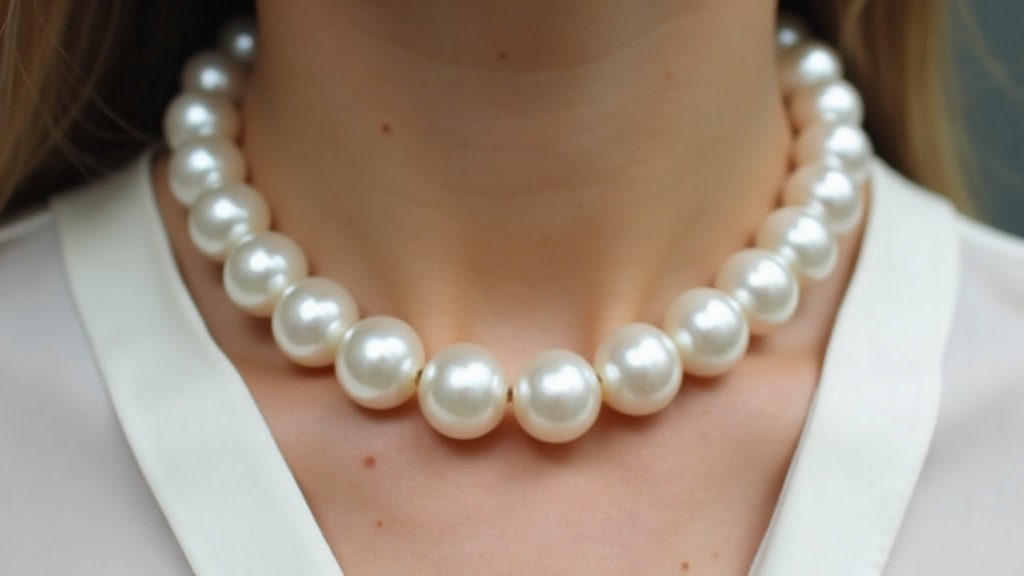
Evaluating the quality of cultured pearls requires a careful examination of several distinct physical characteristics. Unlike mined gemstones, these organic wonders are created by a living mollusk, meaning every single bead is unique. Gemologists assess these items based on seven primary value factors: size, shape, color, luster, surface quality, nacre quality, and matching. Among these, the visual shine is paramount. As Elisabeth Strack, a renowned gemologist, notes, “When evaluating a freshwater pearl necklace, luster is the single most important quality factor because it determines how lively and valuable the pearls appear at arm’s length” (Strack, 2025)[2].
High-quality specimens exhibit a sharp, bright reflection on their surface, often accompanied by a beautiful overtone that adds depth to the primary bodycolor. The nacre thickness also plays a vital role in durability and visual appeal. While perfectly spherical shapes are highly prized for classic strands, many buyers also appreciate the unique, asymmetrical charm of baroque shapes. When reading a freshwater pearl necklace guide, always prioritize excellent surface quality and deep nacre over mere size, as these factors ensure the jewelry remains beautiful for generations.
Lengths Covered in This Freshwater Pearl Necklace Guide
The length of a pearl strand dramatically influences how it frames the face and suits different necklines. Selecting the right measurement is just as important as choosing the right bead size. According to Mandy Lewis, a pearl farmer and founder of Alya Pearl, “If you want one safe choice for a freshwater pearl necklace, a 16‑ or 18‑inch strand in classic white is the most versatile option for everyday wear” (Lewis, 2025)[3]. This standard princess length sits gracefully on the collarbone and pairs effortlessly with both casual and formal attire.
For those seeking a more dramatic look, longer options are available. A matinee length typically falls between 20 and 24 inches, making it ideal for business wear or plunging necklines. Opera length strands extend from 28 to 36 inches, offering a sophisticated, elegant drape that can even be doubled for a layered effect. Rope length styles exceed 36 inches, providing maximum versatility for creative knotting and wrapping. Understanding these standard measurements ensures that your chosen piece complements your wardrobe perfectly, a key focus in any comprehensive freshwater pearl necklace guide.
Navigating Pearl Grading Systems
Shoppers must approach gemstone grading scales with caution because the jewelry industry lacks a single universal standard. Unlike diamonds, which are evaluated using the globally recognized 4Cs, pearl grading is largely determined by individual brands and retailers. This means an “AAAA” grade from one seller might equate to an “AA” grade from another. The Jewelry Council of America Expert Panel advises that “Because there is no universally accepted, standardized grading system for freshwater pearl necklaces, shoppers should focus on trusted sellers, clear descriptions, and side‑by‑side comparisons instead of letter grades alone” (Jewelry Council of America, 2025)[4].
Grading Nuances for Freshwater Pearl Necklaces
To navigate this ambiguity, buyers should look for detailed descriptions of the specific quality factors mentioned earlier. Reputable jewelers will provide clear information about the luster, surface blemishes, and nacre thickness rather than relying solely on a letter grade. Consulting comprehensive pearl buying guidelines from established industry organizations can also help you understand what to expect at different price points. Ultimately, trusting your own eyes and comparing pieces from established vendors is the most reliable method for securing high-quality jewelry.
Comparing Freshwater to Other Cultured Pearls
Understanding how different mollusk environments affect pearl production helps buyers appreciate the unique value of each variety. While saltwater options like akoya, tahitian, and south sea pearls are famous for their large sizes and specific color profiles, they come with a significantly higher price tag. Cultivated primarily in lakes and rivers, these freshwater gems offer incredible versatility and serve as an accessible entry point into fine jewelry.
Positioning in the Market
These organic gems naturally occur in beautiful shades of white, cream, peach, and pink, reducing the need for artificial dyeing. Furthermore, modern cultivation techniques have dramatically improved their roundness and shine, allowing them to rival traditional saltwater strands in appearance. For those looking to pair their classic strands with unique, personalized pendants, exploring options like personalized custom silhouette jewelry can add a distinctive touch to your collection. This blend of affordability, beauty, and customization makes them a standout choice in any freshwater pearl necklace guide.
What People Are Asking
What is the best size for a classic pearl strand?
The most popular and versatile size for a classic strand is between 7.5 and 8.0 millimeters in diameter. This specific range offers an ideal balance of visual presence, everyday wearability, and overall value. Smaller beads, typically around 5 to 6 millimeters, are often chosen for delicate, youthful styles or layered looks. Conversely, larger beads exceeding 9 millimeters make a bold, luxurious statement but are generally reserved for formal occasions. When consulting a freshwater pearl necklace guide, the 7.5 to 8.0 millimeter range is consistently recommended as the perfect starting point for a timeless, go-to accessory that transitions seamlessly from day to night.
How do I clean and maintain my pearl jewelry?
Proper maintenance is essential to preserve the delicate nacre and brilliant shine of your jewelry. Always wipe your strand gently with a soft, damp cloth after wearing it to remove natural skin oils, sweat, and cosmetics that can dull the surface over time. Never use ultrasonic cleaners, harsh chemicals, or abrasive brushes, as these will permanently damage the organic surface. It is also highly recommended to put your jewelry on last when getting dressed, ensuring it avoids direct contact with perfumes, hairsprays, and lotions. Storing the pieces flat in a soft pouch, rather than hanging them, prevents the silk thread from stretching and weakening.
Are freshwater pearls real or fake?
Yes, they are absolutely real. They are cultured pearls, meaning they are formed inside a living mollusk with human assistance. A technician inserts a small piece of mantle tissue into the mollusk, which then secretes layers of nacre around the irritant over several years. This process is entirely natural, just guided by human hands to ensure a successful harvest. They are not plastic or glass imitations. Because a single mollusk can produce multiple gems simultaneously, they are more abundant and affordable than saltwater varieties, but they possess the exact same organic composition, genuine luster, and physical durability as their more expensive counterparts.
Why do some pearls have different colors?
The color of a gem is determined by the specific species of mollusk, the water conditions, and the genetic makeup of the inserted mantle tissue. Natural bodycolors include classic white, soft cream, warm peach, and delicate pink. Additionally, many high-quality specimens exhibit an overtone, which is a translucent secondary color that appears to float over the primary bodycolor, adding depth and complexity. While some lower-quality beads on the market might be artificially dyed to achieve exotic hues like black or bright blue, a reputable freshwater pearl necklace guide will always advise buyers to seek out natural, untreated colors for the most authentic and lasting beauty.
Comparing Pearl Styles
Choosing the right style depends heavily on your personal wardrobe and the occasions you plan to attend. While the bead quality remains constant, the overall length and clasp style change the visual impact of the jewelry. Below is a breakdown of how different lengths function in a wardrobe, a crucial element of any freshwater pearl necklace guide.
| Style | Length | Best Use Case |
|---|---|---|
| Princess | 16–18 inches | Everyday wear, casual and business attire |
| Matinee | 20–24 inches | Office wear, semi-formal events, deeper necklines |
| Opera | 28–36 inches | Formal events, elegant evening wear, layered looks |
Practical Tips for Care and Styling
Integrating these beautiful gems into your daily routine requires a mix of thoughtful styling and careful preservation. To get the most out of your investment, follow these actionable best practices:
- Layering: Mix a shorter 16-inch strand with a delicate gold chain for a modern, textured look that updates the classic aesthetic.
- Knotting: If you purchase a longer opera or rope length, learn a simple overhand knot technique to adjust the length and create a chic, layered appearance without needing multiple strands.
- Restringing: Have your strand professionally restrung every one to two years if worn frequently, as the silk thread degrades over time from tension and skin oils.
For more insights on building a versatile wardrobe and accessorizing, check out our introductory welcome post on the blog. Remember that the best way to style these organic gems is to let their natural luster take center stage, avoiding overly busy patterns that might distract from their elegant simplicity.
Key Takeaways
Selecting the perfect piece of jewelry comes down to understanding luster, choosing the right length, and navigating grading systems with a critical eye. This freshwater pearl necklace guide has highlighted the importance of prioritizing surface quality and natural color over arbitrary letter grades. Whether you prefer a classic princess strand or a dramatic opera length, these organic gems offer timeless elegance and incredible versatility. We encourage you to explore more styling tips and lifestyle insights right here on dragonyurts.com to continue refining your personal aesthetic.
Further Reading
- Pearl Necklaces: The Expert How‑to Guide on Selection. Pearl Paradise.
https://www.pearlparadise.com/pages/pearl-necklaces - Pearls 101: A Guide to Color, Luster & More. Elisabeth Strack.
https://www.youtube.com/watch?v=SMfCuLhGE_s - Freshwater Pearl Necklace Guide: Length, Styles & Meaning. Alya Pearl.
https://alyapearl.com/blogs/the-pearl-guide-1/freshwater-pearl-necklace-guide-length-styles-meaning - Pearl Buying Guide. Jewelry Council of America Expert Panel.
https://www.jewelers.org/buying-jewelry/jewelry-buying-guides/pearl-buying-guide
For more about Cat lover gift guide, see Cat Lover Gift Guide.