Discover our complete freshwater pearl necklace guide to help you choose the perfect strand. Learn about luster, lengths, and care for timeless jewelry.
Table of Contents
- Understanding Pearl Quality and Value Factors
- Choosing the Right Length and Size
- Exploring Shapes and Modern Design Trends
- Essential Care and Maintenance Routines
- Frequently Asked Questions About Freshwater Pearl Necklaces
- Comparing Cultured Pearl Varieties
- Practical Tips for Everyday Wear
Article Snapshot
This freshwater pearl necklace guide is a comprehensive resource detailing the selection, evaluation, and maintenance of cultured freshwater pearl strands. This overview covers essential grading factors like luster and nacre quality, popular length categories, and practical care routines to ensure your jewelry remains a lasting heirloom.
Freshwater Pearl Necklaces in Context
- The most popular size range for strands is 7.5–8.0 millimeters in diameter (Pearl Paradise, 2025)[1].
- A 16-inch strand is commonly recommended as the most versatile option for everyday wear (Alya Pearl, 2025)[2].
- Gemologists evaluate exactly seven pearl value factors when grading necklaces, including size, shape, and luster (Pearl Paradise, 2025)[1].
This freshwater pearl necklace guide provides essential insights for anyone looking to invest in elegant, timeless jewelry. Cultured pearls have evolved dramatically, offering exceptional beauty without the exorbitant price tag of saltwater alternatives. Whether you are browsing for a classic strand or a unique piece, such as custom cat silhouette necklaces from specialized artisans, understanding pearl quality is crucial. This article explores the fundamental characteristics that determine value, including luster, surface quality, and nacre thickness. We will also examine popular sizing options, proper maintenance routines, and styling tips to help you make an informed purchase. By the end of this read, you will possess the knowledge needed to select a beautiful strand that complements your personal style, suits your wardrobe, and lasts for generations of wear.
Understanding Pearl Quality and Value Factors
Evaluating the quality of cultured pearls requires a careful examination of several distinct physical characteristics. According to industry standards, there are seven primary value factors that gemologists use to grade these gems: size, shape, color, luster, surface quality, nacre quality, and matching (Pearl Paradise, 2025)[1]. Among these, luster is arguably the most critical indicator of beauty and longevity. When evaluating a potential purchase, bright and crisp reflections should be clearly visible on the surface.
As Lita Asscher, President of Royal Asscher, notes, “When choosing a freshwater pearl necklace, luster should be your first priority – bright, crisp reflections will be visible even from across a room” (National Jeweler, 2025)[3]. Surface quality is another vital consideration; while minor blemishes are natural and expected, clean surfaces command higher prices. Nacre thickness directly impacts both the luster and the durability of the gem. A thick nacre layer ensures the iridescence remains vibrant over time. Matching is equally important for multi-gem strands. A high-quality strand exhibits uniform overtone and color consistency from end to end. Buyers should inspect the necklace under natural light to ensure the gems blend seamlessly, creating a cohesive and elegant appearance. For those seeking a comprehensive freshwater pearl necklace buying guide, prioritizing these visual and structural elements will always yield the best results. If you want to read more about eclectic styling and accessory pairings, you can explore our eclectic collection of lifestyle articles for further inspiration.
Choosing the Right Length and Size for Your Strand
Selecting the appropriate dimensions ensures your jewelry sits perfectly and suits your intended wardrobe choices. The diameter of the gems significantly influences the overall aesthetic and price point. Currently, strands measuring 7.5–8.0 millimeters are identified as the most popular size range for freshwater strands (Pearl Paradise, 2025)[1]. This specific size offers a sophisticated presence without feeling overly heavy or ostentatious, making it an ideal choice for both daytime and evening wear.
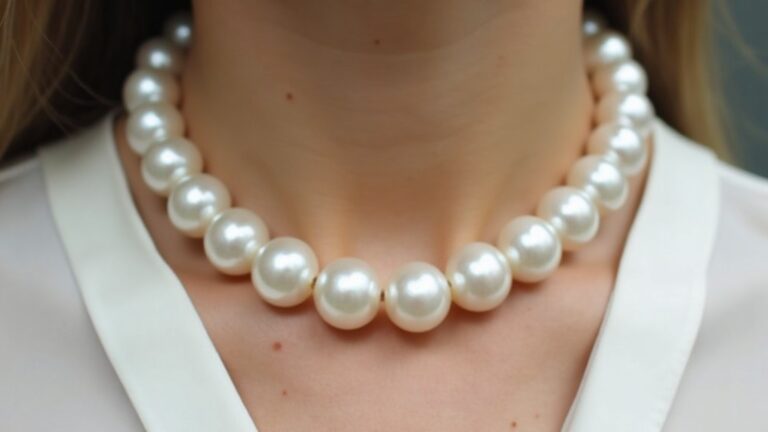
Length is equally crucial when consulting a guide to freshwater pearl necklaces. The princess length category, typically defined as 17–19 inches, rests elegantly on the collarbone. Meanwhile, a 16-inch choker style is commonly recommended as the most versatile length for everyday wear (Alya Pearl, 2025)[2]. For a more dramatic drape over sweaters or dresses, matinee length options spanning 20–24 inches provide an elegant, elongated silhouette (Alya Pearl, 2025)[2]. Dr. Benjamin R. Miller, a gemologist at Birmingham City University, advises that “for most buyers, a 16–18-inch freshwater pearl necklace with near-round, 7–8-millimeter pearls offers the best balance of wearability, value, and classic style” (Birmingham City University, 2025)[4]. For deeper academic insights into these sizing trends, you can review research on contemporary consumer preferences in cultured pearls. Ultimately, your choice should align with your neckline preferences and the types of garments you wear most frequently. Trying on various lengths in person or using virtual sizing tools can help visualize the final look before committing to a purchase.
Exploring Shapes and Modern Design Trends
While perfectly round pearls remain a classic choice, modern jewelry design increasingly embraces unique shapes and creative arrangements. In fact, freshwater pearls are described as the most often baroque in shape among cultured pearls, reflecting their typical organic appearance in nature (Jewelers of America, 2025)[5]. Baroque gems feature asymmetrical, free-form silhouettes that add a distinct, artistic flair to any outfit. These irregular shapes catch the light from multiple angles, enhancing their natural iridescence and overtone.
The Rise of Baroque and Mixed-Size Strands
Designers are now leveraging these unique characteristics to craft fashion-forward pieces that defy traditional conventions. Victoria Gomelsky, Editor-in-Chief of JCK Magazine, observes that “today’s freshwater pearl necklaces are no longer just simple strands; designers are using baroque and mixed-size pearls to create fashion-forward pieces that still feel timeless” (JCK Magazine, 2025)[6]. This trend allows for greater personalization and individuality in jewelry styling. Mixed-size gradients, where gems gradually increase in diameter toward the center, also provide a dynamic visual weight that draws the eye and flatters the neckline. When exploring unique designs, you might encounter specialized pieces like custom cat silhouette necklaces that add a personalized, whimsical touch to classic strands. Pairing a delicate pet silhouette pendant with a baroque strand creates a striking contrast between organic textures and precise metalwork. This cultured freshwater pearl necklace guide highlights that embracing imperfections and asymmetrical designs is a brilliant way to express personal style while enjoying the timeless elegance of these organic gems.
Essential Care and Maintenance Routines
Preserving the iridescence and structural integrity of your jewelry requires consistent, gentle maintenance habits. Organic gems are relatively soft and porous, making them susceptible to damage from harsh chemicals, perfumes, and natural body oils. To maintain their brilliant luster, beginner pearl care guidance recommends wiping pearls with a soft cloth after each wear to remove oils and sweat (Pearl Falco, 2025)[7]. This simple, daily habit prevents the buildup of acidic residues that can slowly degrade the nacre over time.
Proper storage and periodic professional servicing are also critical components of a solid jewelry care regimen. Always store your strands flat in a soft pouch to prevent the silk thread from stretching. Furthermore, beginner care guidance advises having frequently worn strands restrung periodically to prevent breakage (Pearl Falco, 2025)[7]. Avoid ultrasonic cleaners and steamers entirely, as the intense vibrations and heat can cause severe structural damage to the delicate nacre layers. Sally Morrison, Director of PR for the Natural Diamond Council, emphasizes long-term durability: “If you want a freshwater pearl necklace that will stay in your wardrobe for decades, look for clean surfaces, strong matching between pearls, and a secure clasp you can have restrung over time” (Reuters, 2024)[8]. For more general insights on maintaining your treasured possessions, check out our introductory hello world post on our blog. By following these freshwater pearl strand guide principles, you ensure your heirloom pieces remain pristine for future generations.
Frequently Asked Questions About Freshwater Pearl Necklaces
How do I clean my pearls at home?
Never use harsh chemicals, ultrasonic cleaners, or abrasive brushes on your jewelry. The safest method is to gently wipe each gem with a soft, lint-free microfiber cloth dampened with plain water after wearing them. Allow them to air dry completely flat before storing. This routine removes daily oils and sweat without damaging the delicate nacre.
What is the difference between freshwater and saltwater pearls?
The primary difference lies in the mollusk species and the cultivation environment. Freshwater varieties are grown in lakes and rivers, typically producing multiple gems per mollusk, which makes them more abundant and affordable. Saltwater varieties, like Akoya or Tahitian, are grown in oceans and usually yield only one or two gems per oyster, resulting in higher prices and perfectly round shapes.
How often should I restring my necklace?
If you wear your strand frequently, it is advisable to have it professionally restrung every one to two years. The silk or nylon thread stretches and weakens over time due to the weight of the gems and exposure to skin oils. Inspect the thread regularly; if you notice fraying, discoloration, or gaps between the gems, take it to a jeweler immediately.
Can I wear my pearls every day?
Yes, you can wear them daily, but they require mindful habits. Always put your jewelry on last, after applying makeup, perfume, and hairspray, to prevent chemical damage. Remove them before exercising, swimming, or doing household chores. Consistent, gentle wear actually benefits the gems, as the natural oils from your skin can help maintain their luster and prevent them from drying out.
Comparing Cultured Pearl Varieties
Understanding the distinct characteristics of different cultured pearls helps buyers make informed decisions based on budget, style, and desired aesthetics. There are four main varieties of cultured pearls commonly available for necklaces: Akoya, freshwater, Tahitian, and South Sea (Pearl Paradise, 2025)[1]. Each type offers unique visual properties and price points.
| Variety | Typical Shape | Common Colors | Price Range |
|---|---|---|---|
| Freshwater | Baroque to Near-Round | White, Peach, Lavender | Affordable to Moderate |
| Akoya | Perfectly Round | White, Cream, Rose Overtone | Moderate to High |
| Tahitian | Round to Drop | Black, Gray, Peacock Green | High to Very High |
| South Sea | Round to Baroque | White, Silver, Golden | Very High to Luxury |
This freshwater pearl jewelry guide demonstrates that freshwater options provide the most versatile shapes and accessible pricing, making them ideal for both everyday wear and creative, modern designs.
Practical Tips for Everyday Wear
Incorporating these organic gems into your daily wardrobe requires a blend of styling intuition and careful handling. Always follow the “last on, first off” rule: put your necklace on after applying cosmetics, fragrances, and hair products to shield the nacre from harsh chemicals. When dressing, avoid pairing your strand with rough fabrics or heavy metallic zippers that could scratch the delicate surfaces.
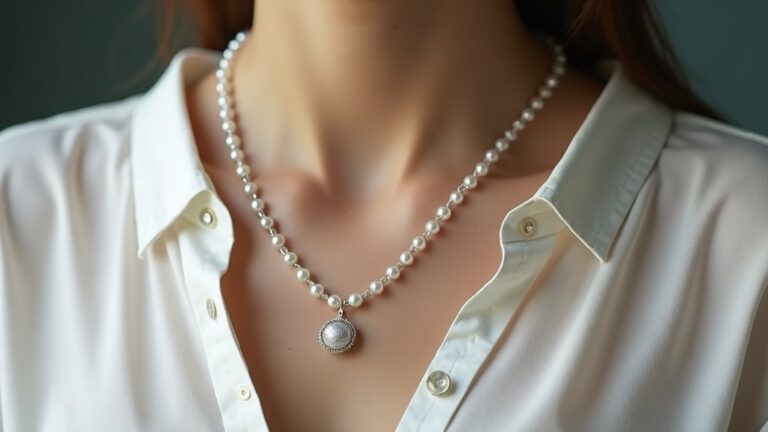
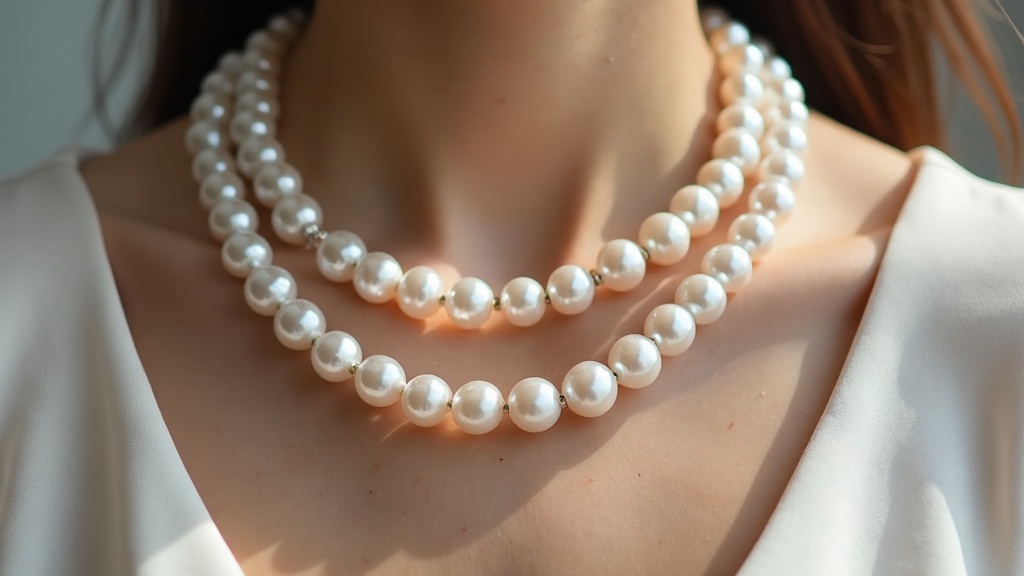
For styling, a classic 16-inch choker pairs beautifully with V-neck blouses and open collars, drawing attention to the face. If you prefer a more relaxed, bohemian aesthetic, layer a longer matinee strand with shorter metallic chains for a textured, contemporary look. When traveling, never toss your jewelry loosely into a suitcase; always use a dedicated, soft-lined travel case to prevent friction and tangling. Finally, have a trusted jeweler inspect the clasp and thread annually. Remember that body heat and natural skin oils actually enhance the luster over time, so regular, mindful wear is highly encouraged. These proactive measures ensure your pieces remain secure and radiant, allowing you to enjoy their timeless elegance without worry.
Before You Go
Selecting the perfect strand is a rewarding journey that blends aesthetic appreciation with practical knowledge. By prioritizing luster, understanding length variations, and committing to gentle maintenance, you can secure a beautiful piece that endures for a lifetime. Whether you prefer traditional round strands or unique baroque designs, the right choice will elevate your personal style effortlessly. We hope this freshwater pearl necklace guide has equipped you with the confidence to evaluate quality and explore modern design trends. For more insights on unique accessories, sustainable living, and eclectic lifestyle topics, continue to explore the diverse articles available on dragonyurts.com.
Useful Resources
- Pearl Necklaces. Pearl Paradise.
https://www.pearlparadise.com/pages/pearl-necklaces - Freshwater Pearl Necklace Guide: Length, Styles & Meaning. Alya Pearl.
https://alyapearl.com/blogs/the-pearl-guide-1/freshwater-pearl-necklace-guide-length-styles-meaning - How to Evaluate Pearl Quality in Modern Jewelry. National Jeweler.
https://www.nationaljeweler.com/articles/12500-how-to-evaluate-pearl-quality - Contemporary Consumer Preferences in Cultured Pearls. Birmingham City University.
https://www.bcu.ac.uk/jewellery/research/contemporary-consumer-preferences-in-cultured-pearls - Pearl Buying Guide. Jewelers of America.
https://www.jewelers.org/buying-jewelry/jewelry-buying-guides/pearl-buying-guide - Why Pearls Are Dominating Fine Jewelry Collections in 2025. JCK Magazine.
https://www.jckonline.com/editorial-article/pearls-dominating-fine-jewelry-2025 - Beginner’s Guide to Pearl Jewelry. Pearl Falco.
https://www.pearlfalco.com/beginners-guide-to-pearl-jewelry/ - Buying Heirloom-Quality Pearl Jewelry on a Budget. Reuters.
https://www.reuters.com/markets/wealth/buying-heirloom-quality-pearl-jewelry-budget-2024-12-05
For more about Freshwaterpearlnecklace guide, see Freshwaterpearlnecklace Guide.