Discover the ultimate freshwater pearl necklace guide to help you choose the perfect strand. Learn about lengths, grading, and care tips for your fine jewelry box.
Table of Contents
- Understanding Pearl Origins
- Evaluating Luster and Surface Quality
- Choosing the Right Necklace Length
- Freshwater Pearl Necklace Guide: Grading and Value
A freshwater pearl necklace guide is an educational framework for evaluating cultured river gems, detailing selection criteria and care routines. This overview covers essential grading factors, standard strand lengths, and practical advice for identifying high-quality nacre and luster in your next jewelry purchase.
Market Snapshot
- The most versatile necklace length for everyday wear is 16 inches (Alya Pearl, 2026)[1].
- Common princess-length strands typically range from 17-19 inches (Alya Pearl, 2026)[1].
- The most popular size range for these specific gems is 7.5-8 mm (Pearl Paradise, 2026)[2].
- Experts evaluate quality using 7 distinct value factors (Pearl Paradise, 2026)[2].
The principles outlined in this freshwater pearl necklace guide begin with understanding how these beautiful gems form in nature. Born from rivers, lakes, and ponds, freshwater pearls form in the bodies of certain mollusks when an irritant enters their shell (Blue Nile education team)[3]. Unlike their saltwater counterparts, these cultured gems offer unique shapes and accessible luxury. Whether you are browsing a specialized boutique or exploring custom designs, knowing how to evaluate a strand is crucial. This article explores the origins of these gems, breaks down the critical value factors like luster and surface quality, and explains standard sizing. By the end, you will know exactly how to select a piece that matches your personal style and budget.
Understanding Pearl Origins and Formation
The foundation of any gemstone evaluation starts with its biological and geographical origins. Cultivated in lakes, rivers, and ponds, these organic treasures rely on a specific type of mollusk to produce their iridescent layers. The cultivation process typically involves inserting a small piece of mantle tissue into the host, which then secretes nacre to form the gem. This tissue nucleation method allows a single host to produce multiple gems simultaneously, making them more abundant and affordable than bead-nucleated saltwater varieties.
Because they are grown in diverse environments, the resulting shapes can vary wildly. While perfectly round specimens are highly prized and command premium prices, many buyers actively seek out asymmetrical baroque shapes for their unique, organic appeal. The thick nacre produced during this process gives the jewelry exceptional durability and a deep, glowing iridescence. Understanding this biological origin helps buyers appreciate why a freshwater pearl strand guide often emphasizes the beauty of imperfect, natural shapes over manufactured perfection.
When exploring unique designs, such as those found via custom silhouette pendants and strands, recognizing the organic origin of the materials adds profound meaning to the piece. The connection to natural water sources ensures that every single gem carries a distinct geological fingerprint.
Evaluating Luster and Surface Quality
Visual appeal in any strand relies heavily on the sharpness of its reflections and the cleanliness of its exterior. Luster is arguably the most critical indicator of quality, describing how sharply light reflects off the surface. High-quality specimens exhibit a bright, mirror-like shine, while lower-quality ones appear chalky or dull. This brilliance is directly tied to the thickness and translucency of the nacre layers deposited by the mollusk over time.
Surface quality is the next major consideration. Because these are organic products, completely flawless specimens are exceedingly rare. Most will feature minor blemishes, spots, or subtle ridges. According to industry experts, “In pearl grading, there are seven value factors: size, shape, color, luster, surface quality, nacre quality and matching” (Pearl expert, Pearl Paradise)[2]. A few minor imperfections are perfectly acceptable and often prove the organic authenticity of the jewelry, provided they do not compromise the structural integrity of the gem.
Evaluating these characteristics requires good lighting and a keen eye. Look for a sharp overtone, which is the secondary color that seems to float over the primary body color. For more insights on artisan crafts and accessories, explore our diverse lifestyle topics. Taking the time to inspect the surface under natural daylight ensures you accurately assess the true depth of the gem’s color and shine.
Choosing the Right Necklace Length
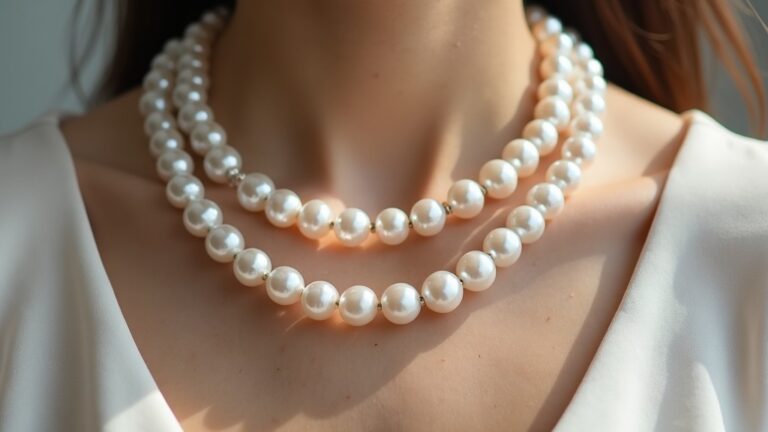
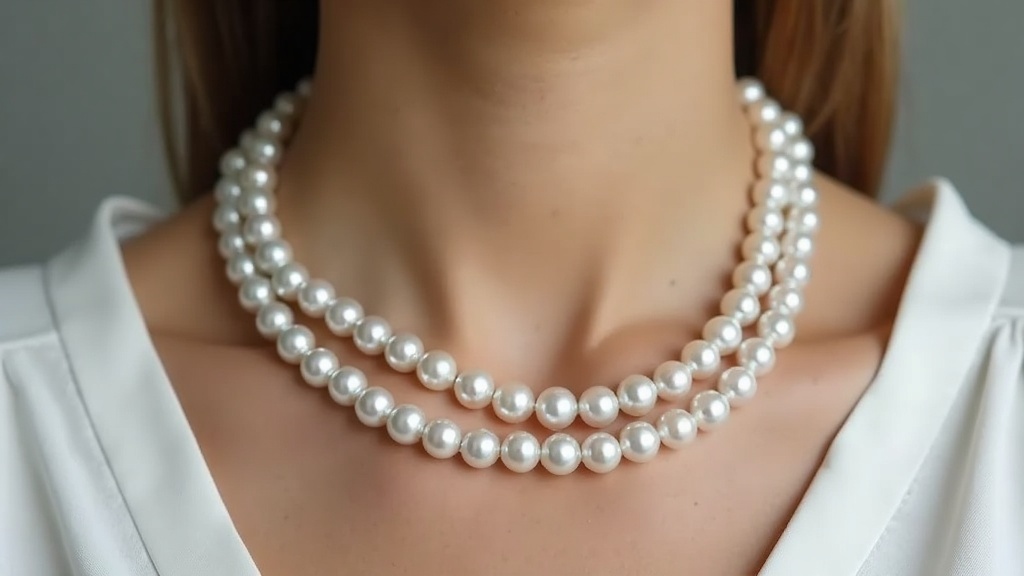
Selecting the proper strand length ensures the jewelry complements your neckline and personal wardrobe. The length dramatically alters the formality and visual weight of the piece. A choker sits snugly against the base of the neck, offering a classic, vintage aesthetic, while longer strands drape elegantly over clothing. Industry standards generally recommend starting with a 16-inch length for the most versatile everyday wear (Alya Pearl, 2026)[1].
The princess length, typically falling just below the collarbone, is the most traditional choice for both casual and professional settings. Matinee lengths offer a slightly more formal drape, ideal for business attire or evening wear. Opera and rope lengths provide dramatic, bohemian flair and can even be doubled or knotted for varied styling options. Consulting a comprehensive freshwater pearl buying guide helps match these dimensions to your specific body type and fashion preferences.
Measuring your neck accurately before purchasing is essential, as a secure clasp must sit comfortably without pulling. For deeper scientific insights into gem formation, review the Gemological Institute of America pearl education resources. Proper sizing guarantees that the strand rests exactly where intended, maximizing both comfort and visual impact.
Freshwater Pearl Necklace Guide: Grading and Value
Navigating the retail market requires a clear understanding of how merchants assign value to individual gems. Many consumers mistakenly believe there is a universal, standardized system for evaluating these gems, similar to the Four Cs used for diamonds. However, “Standardized pearl grading is a myth. There is no defined, recognized system or standard for grading pearls” (Pearl expert, Pearl Paradise)[2]. Retailers often create their own internal letter grades, which can cause significant confusion when comparing pieces across different stores.
Instead of relying on arbitrary letters like A, AA, or AAA, buyers should focus on the tangible physical attributes of the strand. Size plays a major role in pricing, with larger specimens requiring longer cultivation periods and thus commanding higher prices. The most popular and wearable sizes generally fall between 7 and 9 millimeters, striking a perfect balance between visibility and lightweight comfort. Color and overtone also influence value, with rare natural hues like deep peacock or vibrant pink fetching premiums.
Matching is the final crucial element, especially for multi-gem strands. A high-quality freshwater pearl jewelry guide will emphasize that uniformity in size, shape, and color across the entire strand significantly increases the overall value. Ensuring all gems blend seamlessly together requires immense skill during the sorting and stringing process.
What People Are Asking
How do I clean my strand at home?
What is the difference between baroque and round shapes?
Can I wear my jewelry every day?
How do I store my strand properly?
Comparing Cultured Varieties
Understanding how river-cultured gems stack up against their saltwater counterparts helps buyers make informed financial decisions. Each variety offers distinct visual characteristics and price points.
| Variety | Origin | Typical Size | Key Characteristics |
|---|---|---|---|
| Freshwater | Lakes, Rivers | 7.5-8 mm | Durable, diverse shapes, accessible pricing |
| Akoya | Saltwater | 7-7.5 mm | Mirror-like luster, perfectly round |
| South Sea | Saltwater | 10-14 mm | Large size, satiny luster, premium cost |
| Tahitian | Saltwater | 9-11 mm | Dark body colors, vibrant overtones |
Practical Care and Styling Tips
Maintaining the beauty of your jewelry requires consistent, gentle care. Always put your strand on after applying makeup, perfume, and hairspray, as harsh chemicals can degrade the nacre over time. After wearing, gently wipe the gems with a soft, lint-free cloth to remove natural skin oils and environmental pollutants.
- Never use ultrasonic cleaners or steamers, as the vibrations can fracture the delicate layers.
- Restring the strand annually if worn frequently, using silk thread with individual knots between each gem.
- Store the jewelry flat in a soft pouch to prevent scratching from harder gemstones.
When styling, consider the neckline of your outfit. A simple crew neck pairs beautifully with a princess length, while a V-neck draws the eye down toward a matinee strand. For more background on our site, read our introductory welcome post. Following these simple practices ensures your investment remains radiant for generations.
Before You Go
Selecting the perfect strand is a rewarding journey that blends natural beauty with personal style. By applying the insights from this freshwater pearl necklace guide, you can confidently evaluate luster, understand sizing, and navigate grading claims. Remember to prioritize tangible qualities over arbitrary letter grades. Explore more artisan insights and jewelry care tips right here on dragonyurts.com to continue your educational journey.
Sources & Citations
- Freshwater Pearl Necklace Guide: Length, Styles & Meaning. Alya Pearl.
https://alyapearl.com/blogs/the-pearl-guide-1/freshwater-pearl-necklace-guide-length-styles-meaning - Pearl Necklaces: The Expert How-to Guide on Selection. Pearl Paradise.
https://www.pearlparadise.com/pages/pearl-necklaces - Pearl Gemstone Guide & Buying Tips. Blue Nile.
https://www.bluenile.com/education/pearl
For more about Freshwaterpearlnecklace guide, see Freshwaterpearlnecklace Guide.