Backfill grouting in mining solutions for stable yurt foundations
Backfill grouting in mining solutions stabilizes underground voids and prevents surface subsidence, making it essential for landowners who want to safely place yurts on previously mined land. This article explains the methods, materials, and benefits of this engineering technique for glamping site developers.
Table of Contents
- Introduction
- What Is Backfill Grouting in Mining Solutions?
- Techniques and Materials Used
- Benefits for Surface Stability and Yurt Safety
- Choosing the Right Grouting Solution for Your Land
- Frequently Asked Questions
- Comparison of Grouting Methods
- Practical Tips for Yurt Site Developers
- Key Takeaways
- Useful Resources
Article Snapshot
Backfill grouting in mining solutions is the process of pumping cementitious or paste material into underground mine voids to stabilize the ground and prevent collapse. For yurt camping operators, this technique ensures a level, safe surface for glamping structures even on formerly mined terrain. Learn the key methods, cost considerations, and why proper grouting is critical for long-term stability.
Backfill Grouting in Mining Solutions in Context
- Typical grout mixes use a cement-to-sand ratio of 1:3 to 1:9 by parts (U.S. Bureau of Mines, 1993)[1].
- Fly-ash slurry is prepared at an 8:10 water-to-fly-ash ratio by mass before pumping (Heliyon, 2017)[2].
- Bulk infill grouting achieves compressive strength around 1.0 N/mm² using cement and pulverised fuel ash (Keller, 2023)[3].
- Pressurized remote backfilling has been used in North Dakota since 1991 to stabilize collapsing mines (FHWA, 2004)[4].
Introduction
Backfill grouting in mining solutions is a proven engineering method that fills abandoned mine cavities with solid materials to prevent ground collapse and surface subsidence. For anyone developing a yurt camping or glamping site on land with a mining history, understanding this technique is vital. Without stabilization, underground voids can shift over time, endangering structures and guests. This article covers the basics of backfill grouting, the materials and techniques involved, how it protects your investment, and what to consider when choosing a contractor. Whether you are planning a single yurt or a full glamping resort, a stable foundation starts with proper ground treatment.
What Is Backfill Grouting in Mining Solutions?
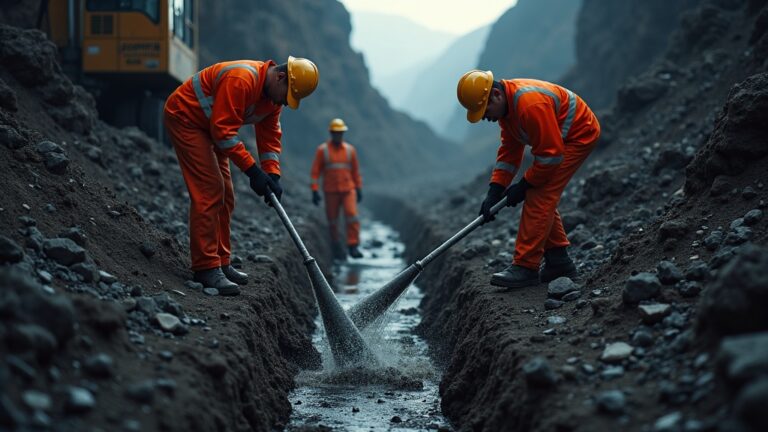
Backfill grouting in mining solutions involves injecting a pumpable grout – often a mixture of cement, fly ash, sand, and water – into underground voids created by mining operations. The grout fills the cavities, hardens, and provides structural support to the overlying strata. This prevents the ground from sinking or collapsing, which is especially important when the surface is used for buildings, roads, or recreational camping facilities. As Professor Youliang Chen explains, “As a green mining technique, grouting backfill is developed to fill the mining-induced overburden bed separation and mined-out area with caving rocks to control the strata movement and surface subsidence caused by underground mining.”[5]
The process begins with a geotechnical survey to locate and map voids. Boreholes are drilled from the surface, and grout is pumped under pressure to ensure complete filling. The goal is to create a continuous, load-bearing mass that mimics the original rock structure. For a yurt site, this translates to a level, stable piece of land that will not shift with moisture changes or seismic activity. Mine backfill is widely considered the most common method of stabilization to abate subsidence in areas of abandoned mining (CDC, 1993)[1].
Techniques and Materials Used
Paste Backfill
Paste backfill mining technology uses solid mining wastes such as coal gangue mixed with fly ash, cementing materials, and water to produce a coagulable paste that is pumped through pipelines to fill the gob area behind the working face. According to researcher Yongliang Yang, “Paste backfill mining can improve the safety and excavation rate of coal mining and effectively resolve surface subsidence problems by utilizing solid waste such as coal gangues as a resource.”[6] This method is ideal for large voids and provides excellent long-term support.
Pressurized Grout Remote Backfilling
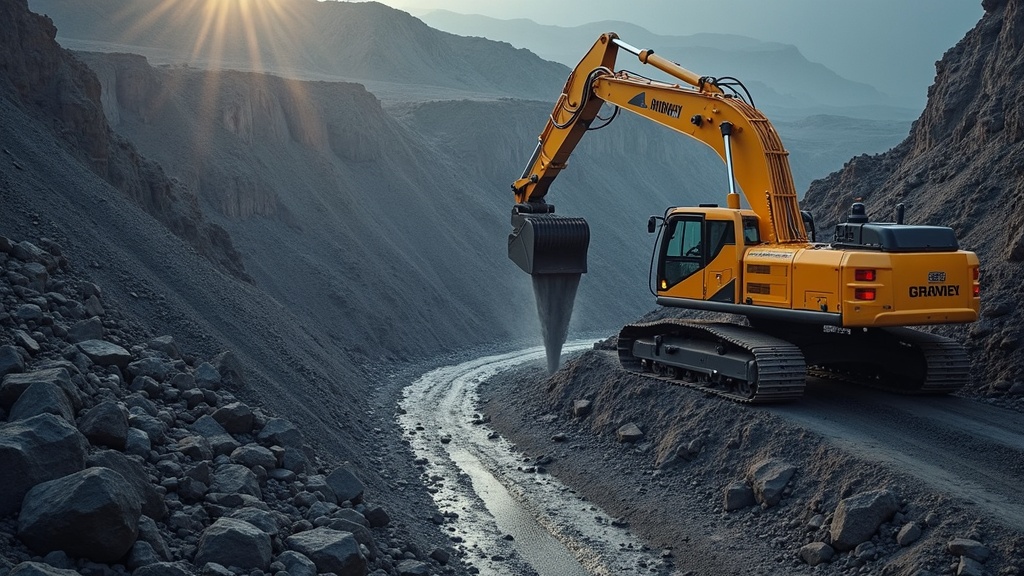
This technique involves pumping cementitious grout through cased drill holes directly into mine cavities. As described by the Federal Highway Administration, “Pressurized grout remote backfilling is a technique for stabilizing hazardous collapsing underground mines by pumping cementitious grout through cased drill holes directly into mine cavities to fill them and thereby stabilize the surface from collapse.”[4] It is especially useful for accessing deep or inaccessible voids without entering the mine.
Fly-Ash Slurry Grouting
Fly-ash slurry is commonly prepared by mixing water and fly ash at an 8:10 mass ratio before pumping. In a case study, the filling process used 15 stop valves sequenced from the low side to the high side of the working face to ensure complete coverage (Heliyon, 2017)[2]. This method is cost-effective when fly ash is locally available from power plants.
Benefits for Surface Stability and Yurt Safety
For yurt camping operators, the primary benefit of backfill grouting in mining solutions is the elimination of subsidence risk. A properly grouted site remains level and stable for decades, protecting yurt structures, decks, and infrastructure. The technique also controls groundwater flow, preventing acid mine drainage from contaminating surface soil – a critical factor for organic glamping operations that emphasize eco-friendly practices. Additionally, backfill grouting can be combined with backfill grouting in mining techniques to restore the aesthetic quality of disturbed land, making it suitable for recreational use.
By filling voids, the grout reduces the risk of sudden sinkholes, which can be catastrophic for a yurt village. The compressive strength of bulk infill grouting – around 1.0 N/mm² – is sufficient to support light structures like yurts, which typically exert less than 0.05 N/mm² on the ground. For heavier amenities like bathhouses or kitchens, designers can specify higher-strength mixes using professional backfill grouting in mining services that tailor the grout formulation to site-specific loads.
Choosing the Right Grouting Solution for Your Land
Selecting the optimal method depends on several factors: void size, depth, geology, and budget. For shallow, small voids, fly-ash slurry grouting offers an affordable solution. For deep, extensive workings, paste backfill or pressurized remote grouting provides more reliable coverage. Always hire a geotechnical engineer familiar with colloidal grouting solutions to ensure the mixture achieves proper penetration and strength. Environmental considerations also matter; granular grouts made from mine and power plant wastes are viable for both ground stability and waste management (University of Wollongong, 2012)[7].
Before proceeding, obtain a thorough site investigation including borehole logs and geophysical surveys. The cost of backfill grouting varies widely, but investing in quality work prevents far more expensive remediation later. Many mining‑affected properties qualify for government grants aimed at land reclamation. A professional backfill grouting contractor can help you navigate these funding opportunities while ensuring your yurt camp meets safety regulations.
Frequently Asked Questions
Is backfill grouting necessary for a small yurt camping site?
If your property has a history of underground mining, even small sinkholes can pose serious risks. Yurts are lightweight but still require a level, stable pad. Backfill grouting in mining solutions is the most reliable way to ensure that no voids remain beneath your site. For small areas, fly-ash slurry grouting is cost-effective and can be performed in just a few days. Skipping this step may save money upfront but could lead to expensive structural damage and liability issues later.
How long does backfill grouting take to cure before I can place a yurt?
Curing time depends on the grout mix design, temperature, and humidity. Cementitious grouts typically reach 70% of their design strength within 7 to 14 days. Full curing may take 28 days. Paste backfill often sets faster, while fly-ash slurries may require longer. Your contractor should provide a curing schedule and perform strength tests before you begin construction. It is wise to wait until the grout achieves at least 0.5 N/mm² before placing any structures.
Can backfill grouting be done on land that is already used for camping?
Yes, but it requires careful planning. The drilling and pumping equipment may temporarily disturb the area. For existing yurt camps, the work can be phased around guest stays. Alternatively, remote pressurized grouting through small-diameter boreholes minimizes surface disruption. Always inform guests of the work schedule and secure the site for safety. Many operators find that the long-term stability gained far outweighs the short-term inconvenience.
What environmental standards apply to backfill grouting in mining solutions?
Grouting materials must be non-toxic and should not leach harmful chemicals into the soil or groundwater. Fly ash is a common additive, but only from sources that meet regulatory limits for heavy metals. Your contractor should test the grout and obtain permits from local environmental agencies. The goal is to fill voids without introducing pollutants. Sustainable options include using recycled mine wastes, which also reduces the carbon footprint of the operation.
Comparison of Grouting Methods
Each grouting approach has distinct characteristics. The table below compares the three main methods discussed above, helping you decide which suits your yurt site best.
| Method | Material | Compressive Strength | Best For |
|---|---|---|---|
| Paste Backfill | Coal gangue, fly ash, cement, water | 1–4 N/mm² | Large, deep voids; long-term stability |
| Pressurized Grout Remote Backfilling | Cementitious grout (cement + sand/fly ash) | 1–2 N/mm² | Inaccessible cavities; remote injection |
| Fly-Ash Slurry Grouting | Water, fly ash (8:10 ratio) | 0.5–1 N/mm² | Shallow voids; economical solution |
Your choice should be guided by geotechnical reports and budget. For most yurt camping sites, a combination of fly-ash slurry for shallow areas and paste backfill for deeper workings achieves optimal results.
Practical Tips for Yurt Site Developers
- Hire a specialist. Only use contractors with proven experience in backfill grouting in mining solutions for recreational land. Ask for case studies and references.
- Test the site beforehand. Conduct ground-penetrating radar or seismic surveys to map all voids. Cost for a small site (1–2 acres) typically ranges from $3,000 to $8,000.
- Plan for drainage. Ensure your grouting plan includes groundwater management. A stable site that stays dry prevents yurt floor issues and mosquito breeding.
- Document everything. Keep records of the materials used, injection pressures, and curing tests. This documentation is crucial for insurance and future resale of the property.
- Consider aesthetics. After grouting, restore topsoil and native vegetation. A well-reclaimed site attracts glamping guests who value both safety and natural beauty.
Key Takeaways
Backfill grouting in mining solutions is a reliable, long-lasting method to transform unstable mined land into safe, level foundations for yurt camping and glamping. By filling underground voids with engineered grout, you protect your guests, structures, and investment. Whether you need paste backfill for extensive workings or a simple fly-ash slurry, professional execution is key. Start by contacting a geotechnical expert to evaluate your site, then explore our detailed backfill grouting in mining techniques guide for step-by-step planning. With proper ground treatment, your yurt camp can thrive on land others thought unusable.
Useful Resources
- State-of-the-Art Techniques for Backfilling Abandoned Underground Coal Mines. U.S. Bureau of Mines via Centers for Disease Control and Prevention.
https://stacks.cdc.gov/view/cdc/206318/cdc_206318_DS1.pdf - Experimental Study on Performance Optimization of Grouting Backfill Material. Heliyon (Elsevier) via PubMed Central.
https://pmc.ncbi.nlm.nih.gov/articles/PMC5727619/ - Cavity Bulk Mine Fill Grouting. Keller Group plc.
https://www.keller.com/expertise/techniques/cavity-bulk-mine-fill-grouting - Interstate Technical Group on Abandoned Underground Mines – Kansas Workshop. Federal Highway Administration.
https://www.fhwa.dot.gov/engineering/geotech/hazards/mine/workshops/kdot/kansas04.cfm - Experimental Study on Performance Optimization of Grouting Backfill Material for Underground Mining. Youliang Chen et al., PMC.
https://pmc.ncbi.nlm.nih.gov/articles/PMC9919337/ - Implementation of Paste Backfill Mining Technology in Chinese Coal Mines. Yongliang Yang et al., PMC.
https://pmc.ncbi.nlm.nih.gov/articles/PMC4165384/ - Backfill grouting for mining subsidence prevention. University of Wollongong.
https://ro.uow.edu.au/articles/conference_contribution/Backfill_grouting_for_mining_subsidence_prevention/27686589