Backfill Grouting in Mining Techniques: A Complete Overview
Learn how backfill grouting in mining techniques stabilizes underground voids, improves ground control, and supports sustainable mining operations in this detailed overview.
Table of Contents
- What Is Backfill Grouting in Mining?
- Key Techniques for Backfill Placement
- Materials and Binders in Modern Backfill
- Benefits and Challenges of Backfill Grouting
- Frequently Asked Questions
- Comparison of Backfill Methods
- Practical Tips for Effective Backfill Grouting
Article Snapshot: Backfill grouting in mining techniques refers to the process of injecting cementitious materials into underground voids to stabilize stopes and prevent subsidence. This article covers the primary methods, materials, and practical considerations for mine backfilling operations.
Quick Stats: Backfill Grouting in Mining Techniques
- Backfilling is described as the most common stabilization method used to abate subsidence and protect surface structures (CDC, 2026)[1].
- Hydraulic flushing and grouting are the two most often-used methods for placing backfill material (CDC, 2026)[1].
- Modern underground mine backfilling methods are grouped into three main types by composition and application approach (MiningDoc, 2024)[2].
- Portland cement is identified as the most common binder used in cemented paste backfill (MiningDoc, 2024)[2].
What Is Backfill Grouting in Mining?
Backfill grouting in mining techniques is a core engineering practice used to stabilize excavated underground voids, known as stopes, that remain after ore extraction. The primary goal is to improve ground control and enhance environmental sustainability by filling these cavities with engineered materials. As noted by industry literature, backfilling is an essential practice with the objective of stabilizing mined-out voids, ultimately supporting both safety and environmental goals (MiningDoc, 2024)[2].
The process typically involves mixing a binding agent – often cement – with aggregate materials and water to create a pumpable slurry or paste. This mixture is then transported underground through boreholes or pipelines and placed into the void. Over time, the material hardens, providing structural support to surrounding rock and preventing surface subsidence. The technique is particularly valuable in underground mining operations where large cavities pose risks to both workers and surface infrastructure.
Key Techniques for Backfill Placement
There are several established methods for placing backfill material, each suited to different mine conditions and void geometries. The most common approaches include hydraulic flushing, grouting, and mechanical placement. According to a CDC report on abandoned underground mine backfilling, hydraulic flushing and grouting, using remote methods from single or multiple boreholes, are the most often-used methods for the placement of backfill material[1].
Hydraulic Flushing
Hydraulic flushing involves transporting a slurry of water and solid material through pipes or boreholes into the void. The CDC report further notes that hydraulic flushing remains the only cost-effective method for backfilling a large area of unstable underground mine void[1]. This method is particularly effective for large, open cavities where access is limited.
Grouting
Grouting, by contrast, involves injecting a cementitious or chemical grout under pressure into fractures, fissures, or porous ground surrounding the void. This technique is ideal for sealing pathways that could allow water ingress or material migration. Both methods can be deployed remotely from single or multiple boreholes, reducing the need for personnel entry into hazardous areas.
When considering which technique to apply, mine engineers evaluate factors such as void size, rock quality, and available infrastructure. The choice between hydraulic flushing and grouting often comes down to whether the primary need is bulk filling or sealing.
Materials and Binders in Modern Backfill
The composition of backfill material varies depending on the method used and the required final strength. Contemporary backfilling methods can be grouped into three main types based on composition and application approach: rock backfill, hydraulic backfill, and paste backfill (MiningDoc, 2024)[2].
Hydraulic Backfill
Hydraulic fill is described as a slurry with low solids content made from classified mill tailings and sand (MiningDoc, 2024)[2]. Because the solids content is relatively low, the material flows easily through pipelines but requires significant dewatering after placement. This method is cost-effective but may not achieve the same compressive strength as paste backfill.
Cemented Paste Backfill
Cemented paste backfill is normally constituted by full-stream mill tailings, water, and a cement binder (MiningDoc, 2024)[2]. The higher solids content means less water is added, resulting in a thick, paste-like consistency that does not segregate during transport. Portland cement is identified as the most common binder used in cemented paste backfill (MiningDoc, 2024)[2], though alternative binders such as fly ash or slag may be used to reduce costs.
The indoor filling ratio test is one of the most effective means to objectively evaluate the stope filling effect[3]. These tests help engineers determine the optimal mix design for specific underground conditions.
Benefits and Challenges of Backfill Grouting
The benefits of implementing backfill grouting in mining techniques are substantial. First, backfilling significantly improves ground control by providing artificial support to the rock mass, reducing the risk of rockbursts and wall failures. Second, it mitigates surface subsidence, protecting infrastructure and natural landscapes above the mine. Third, it allows for higher ore recovery by enabling the extraction of pillars that would otherwise be left for support.
From an environmental perspective, backfilling reduces the surface disposal of tailings, minimizing the footprint of waste storage facilities and lowering the risk of tailings dam failures. This aligns with broader sustainability goals in the mining industry.
However, challenges remain. The cost of binders, particularly cement, can be significant. Transportation of materials underground requires robust infrastructure, and the quality control of backfill placement demands careful monitoring. Additionally, the long-term performance of backfill under changing hydrological and stress conditions must be evaluated through ongoing testing and modeling.
Important Questions About Backfill Grouting in Mining
What is the difference between hydraulic backfill and paste backfill?
Hydraulic backfill uses a slurry with low solids content, typically made from classified mill tailings and sand, requiring dewatering after placement. Paste backfill, on the other hand, has a higher solids content using full-stream tailings, water, and a binder like Portland cement. Paste backfill does not segregate during transport and generally achieves higher compressive strength without the need for dewatering.
Why is Portland cement commonly used in cemented paste backfill?
Portland cement is identified as the most common binder used in cemented paste backfill because of its reliable hydration properties, widespread availability, and ability to achieve predictable compressive strengths. While it can be costly, its consistent performance makes it the preferred choice for many mining operations. Alternative binders like fly ash or slag may be blended in to reduce costs while maintaining strength.
How are backfill materials transported underground?
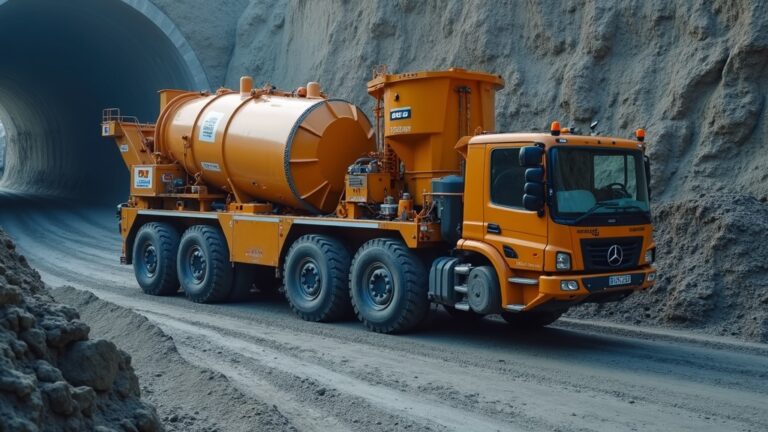
Backfill materials are typically transported through boreholes or pipelines from a surface mixing plant to the underground void. Hydraulic backfill slurries are pumped as a low-density mixture, while paste backfill is moved using positive displacement pumps designed for high-viscosity materials. Remote placement from single or multiple boreholes is common, especially when access to the void is limited or unsafe for personnel.
What are the main challenges of backfill grouting in mining?
The main challenges include the high cost of binders like cement, the need for reliable transportation infrastructure, and the difficulty of ensuring consistent quality across large voids. Long-term performance under changing geological conditions must also be monitored. Engineers use tests like the indoor filling ratio test to evaluate filling effects and adjust mix designs accordingly.
Comparison of Backfill Methods
Choosing the right backfill method depends on factors such as void geometry, material availability, and budget. The table below summarizes the three main contemporary approaches.
| Method | Composition | Solids Content | Key Advantage |
|---|---|---|---|
| Rock Backfill | Crushed rock, sometimes with cement | High | Low cost, uses mine waste |
| Hydraulic Backfill | Classified tailings, sand, water | Low (slurry) | Easy to transport, cost-effective for large voids |
| Cemented Paste Backfill | Full-stream tailings, water, cement binder | High (paste) | No dewatering, high strength, excellent ground support |
Practical Tips for Effective Backfill Grouting
Implementing a successful backfill program requires attention to several operational details. First, always conduct thorough site characterization before selecting a method. Understanding the rock mass quality, groundwater conditions, and void geometry will guide the choice between hydraulic flushing, grouting, or paste backfill.
Second, invest in reliable mixing and pumping equipment. Consistency in the slurry or paste is critical to achieving the designed strength and avoiding blockages in pipelines. Regular calibration of binder feeders and water addition systems helps maintain quality.
Third, use monitoring tools to evaluate backfill performance over time. This includes pressure sensors, settlement markers, and periodic strength testing of samples. The indoor filling ratio test, as noted in industry research, provides objective data on filling effectiveness.
Finally, stay current with training and technology. Advances in AI and simulation are enabling more precise modeling of backfill behavior.
For more about Backfill grouting in mining techniques, see get expert advice on backfill grouting in mining techniques.
Key Takeaways
Backfill grouting in mining techniques plays a vital role in modern underground operations by stabilizing voids, preventing subsidence, and supporting sustainable tailings management. The three primary methods – rock, hydraulic, and paste backfill – each offer distinct advantages depending on site conditions. With Portland cement as the most common binder and hydraulic flushing as a cost-effective placement method, operators have reliable tools at their disposal.
Learn More
- State-of-the-Art Techniques for Backfilling Abandoned Underground Mine Voids. CDC.
https://stacks.cdc.gov/view/cdc/206318/cdc_206318_DS1.pdf - Types of backfill in underground mining. MiningDoc.
https://www.miningdoc.tech/question/types-of-backfill-in-underground-mining/ - Practical Engineering Problems in Stope and Goaf Backfill. MDPI Minerals.
https://www.mdpi.com/2075-163X/12/1/88